Free custom STL files and 3D models for 3D printers
To your specs in a few clicks!
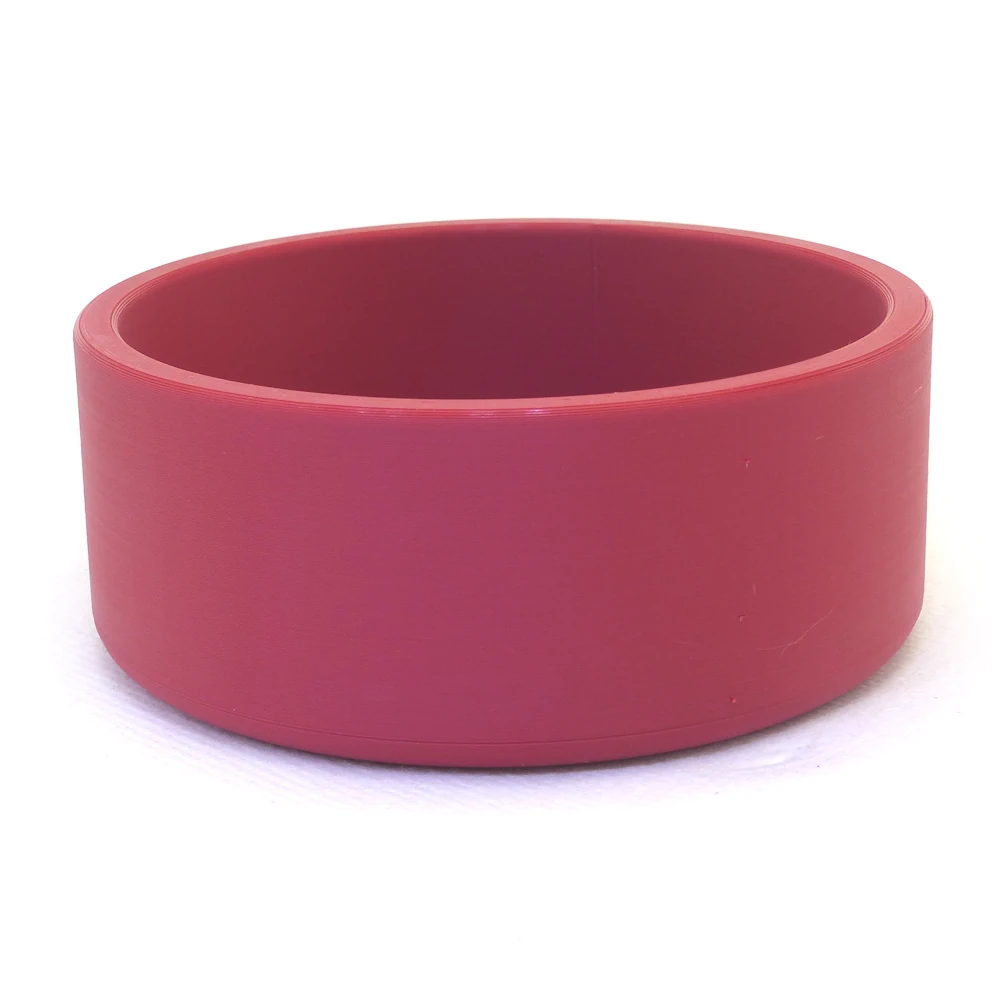
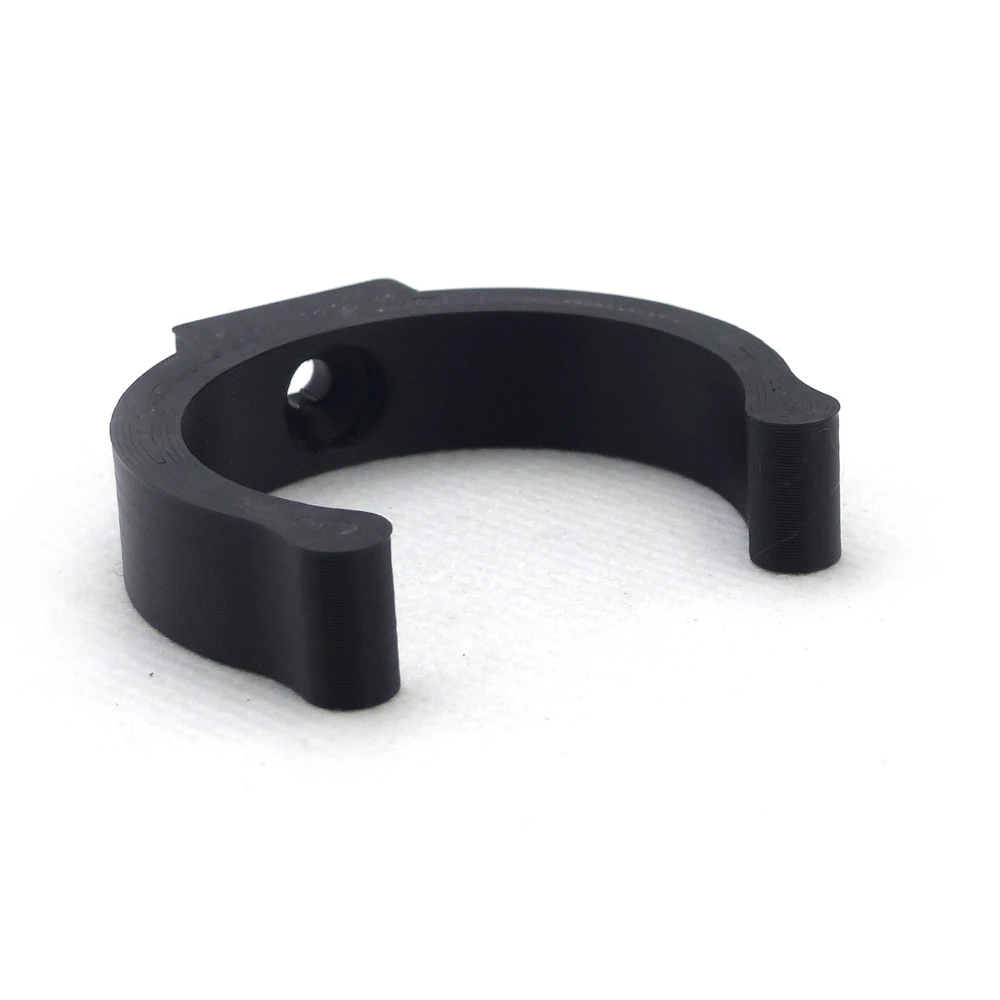
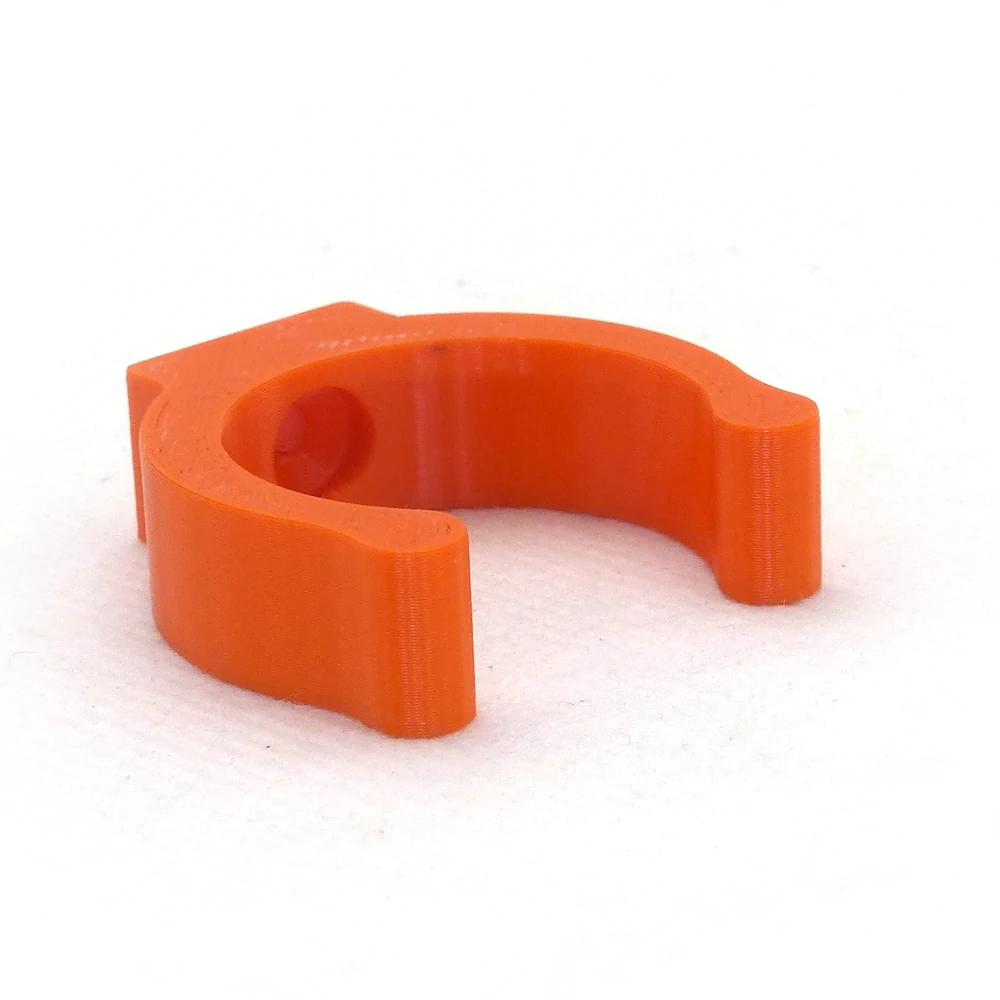
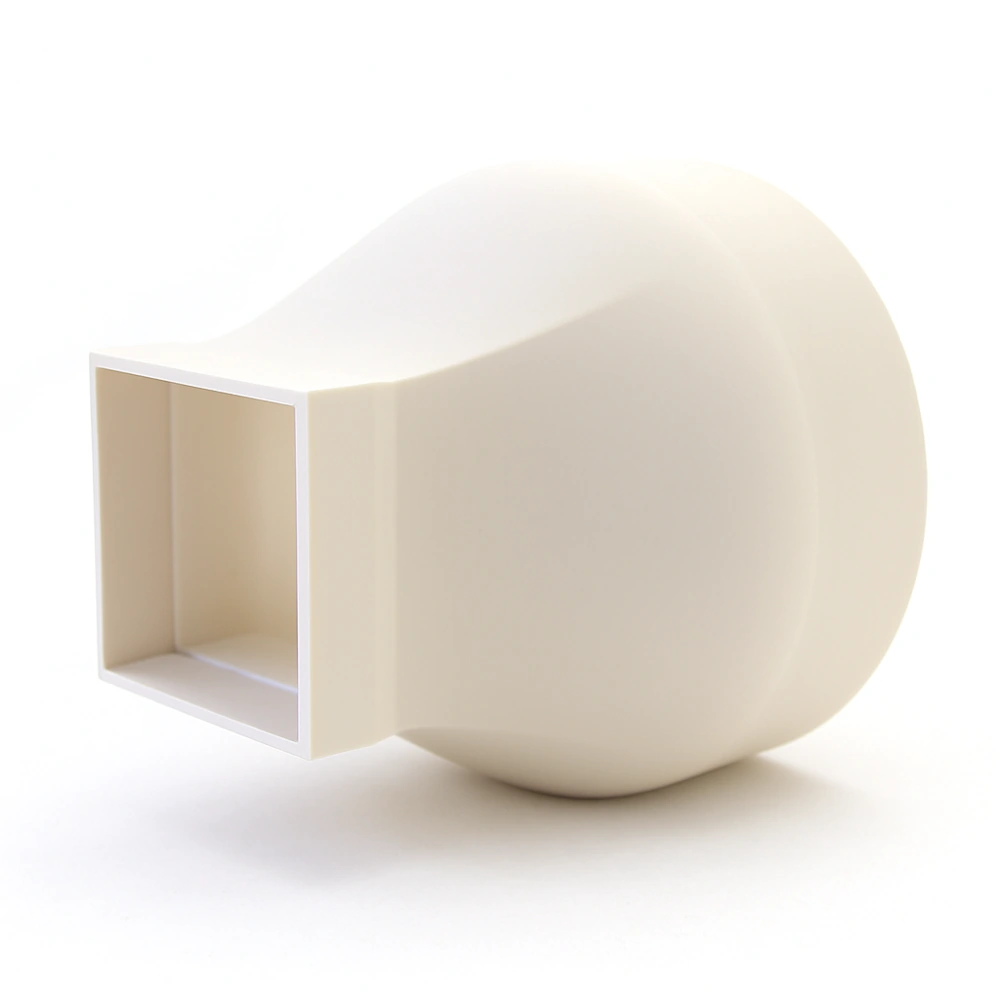
Browse a growing library of free STL files and 3D models — or generate custom parts online to your exact specs.
Featured Model of the Day
Rectangular box with lid STL 3D file – 78×63×20 mm, wall thickness 3 mm 📦 #6400
2 object(s) - format STL
View of object #0
Latest user-generated 3D models
Rectangular box with lid STL file – 156×66×156 mm, wall thickness 3 mm 📦 #12941
2 object(s) - format STL
View of object #0
From the Blog
Why Modeling Strategy Matters in Procedural CAD Modeling
Why does modeling strategy matter so much in procedural CAD? Two scripts can produce the exact same geometry while showing very different generation times.
Using a concrete build123d example, this article explains why certain operations, such as fillets, become expensive when repeated at scale, and how a simple change in approach can drastically reduce computation time.
A clear overview of the key challenges in procedural modeling, highlighting the direct impact of design choices on CAD engine performance.
A selection of custom 3D models
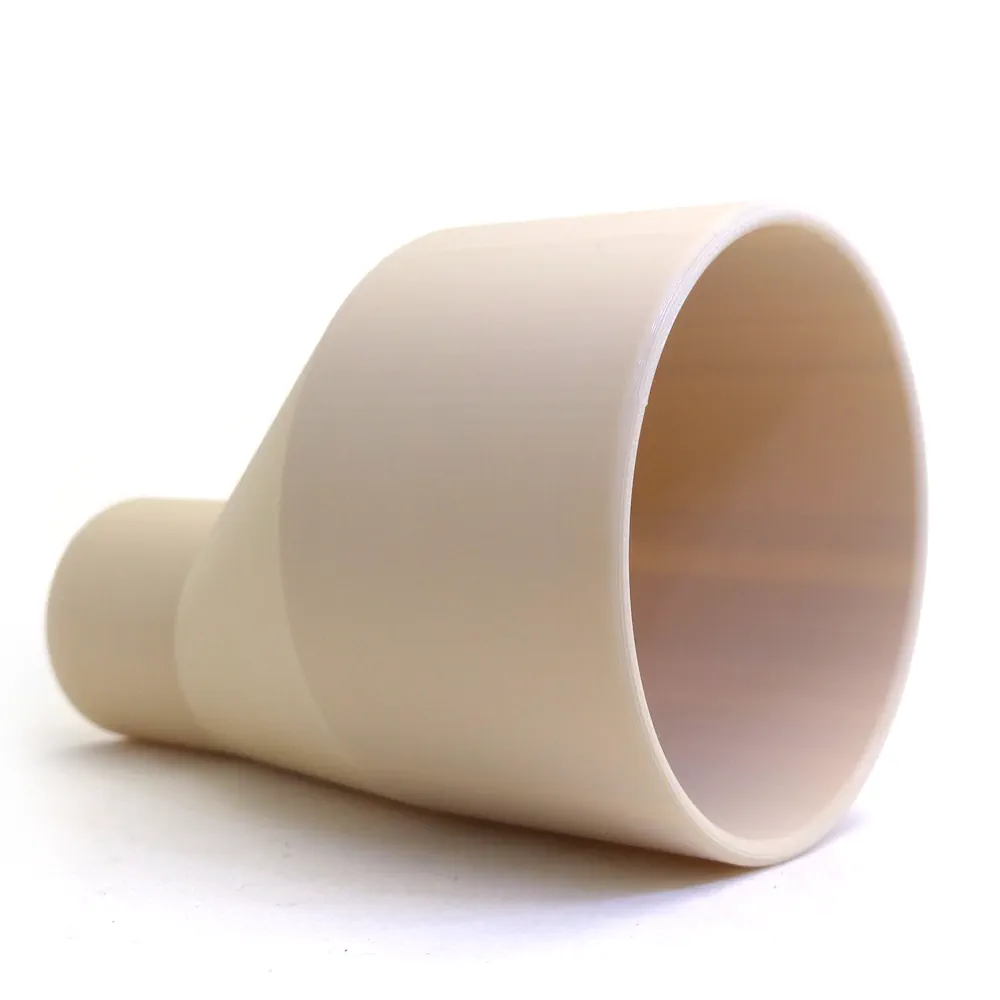
📦 Model #1810
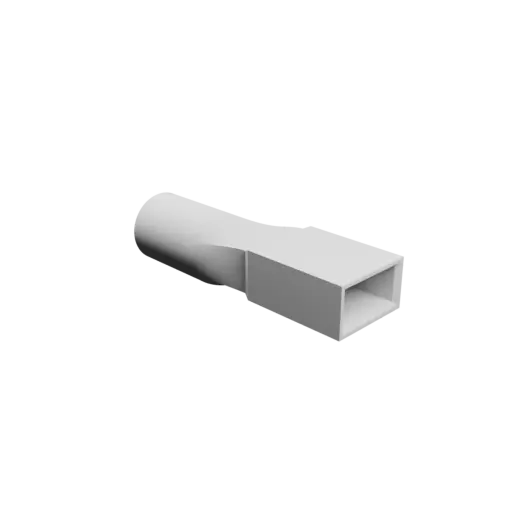
| Parameter | Value | Unit |
|---|---|---|
| cylinder outer diameter | 20.3 | mm |
| cylinder inlet length | 25 | mm |
| rectangle internal length | 20 | mm |
| rectangle internal height | 10 | mm |
| rectangle inlet length | 30 | mm |
| offset Z | 0 | mm |
| offset Y | 5 | mm |
| total length | 75 | mm |
| thickness | 2 | mm |
| chamfer | chamfers on ... |
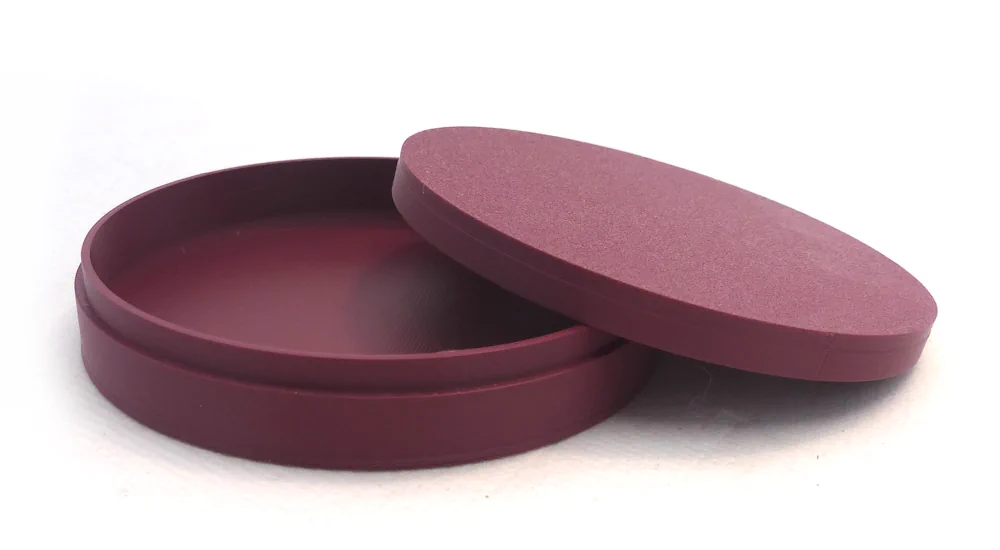
📦 Model #4414
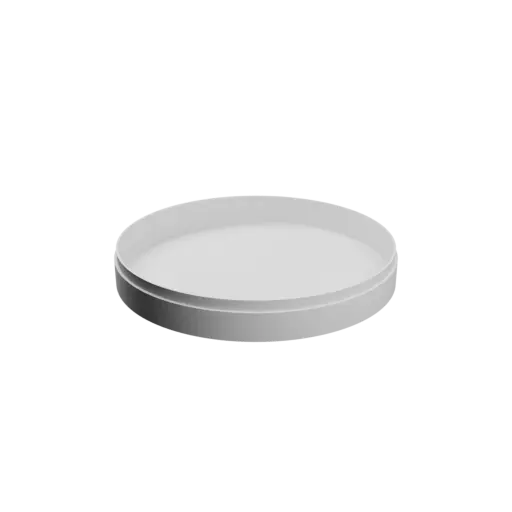
| Parameter | Value | Unit |
|---|---|---|
| external diameter | 134 | mm |
| total height | 20 | mm |
| wall thickness | 2 | mm |
| fit clearance | 0.2 | mm |
| inner bottom fillet | 1 | mm |
📦 Model #1196
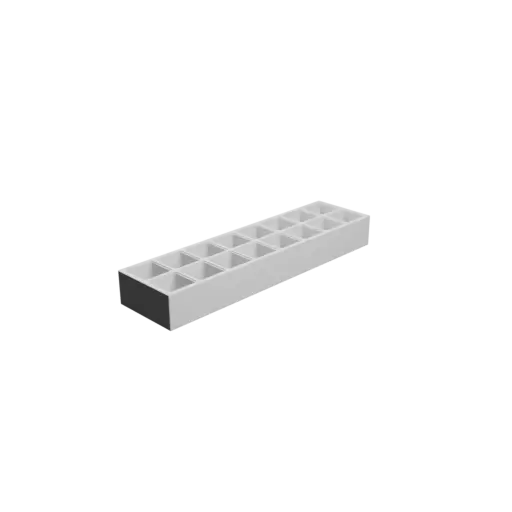
| Parameter | Value | Unit |
|---|---|---|
| number of rows | 8 | |
| number of columns | 2 | |
| compartment length | 25 | mm |
| compartment width | 25 | mm |
| compartment height | 25 | mm |
| wall thickness | 4 | mm |
| compartment fillet (radius) | 2 | mm |
| row colors | ABABABAB |
📦 Model #3612
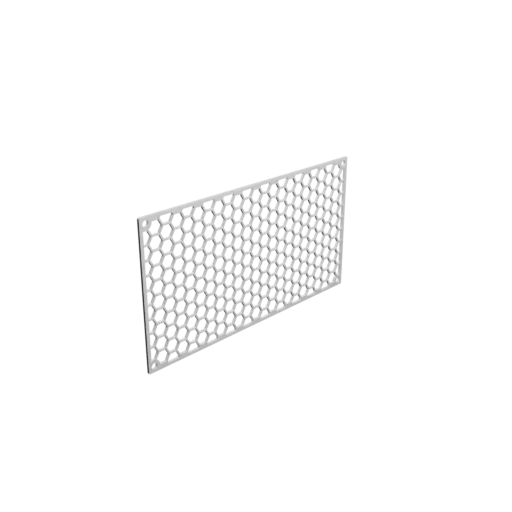
| Parameter | Value | Unit |
|---|---|---|
| length or center-to-center | 210 | mm |
| width or center-to-center | 110 | mm |
| mesh size | 10 | mm |
| dual color | no | |
| holes | yes | |
| hole diameter | 5 | mm |
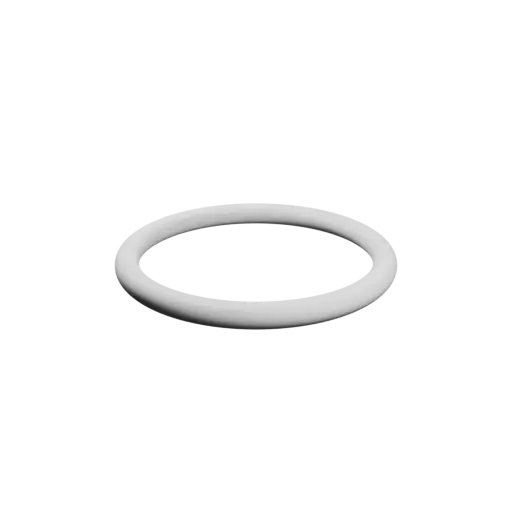
| Parameter | Value | Unit |
|---|---|---|
| inner diameter (ID) | 15 | mm |
| cross section (CS) | 1.5 | mm |
📦 Model #1085
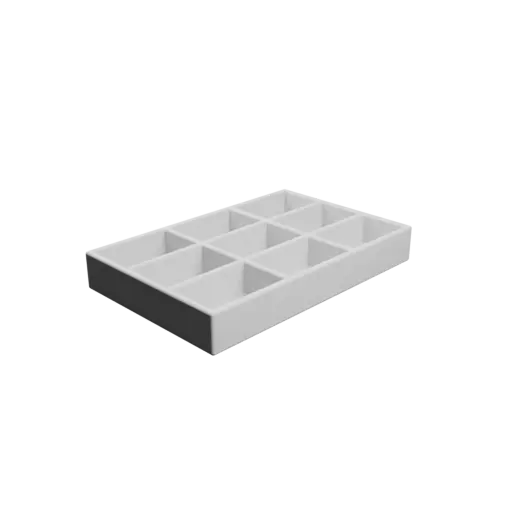
| Parameter | Value | Unit |
|---|---|---|
| number of rows | 3 | |
| number of columns | 3 | |
| compartment length | 16 | mm |
| compartment width | 26 | mm |
| compartment height | 10 | mm |
| wall thickness | 2 | mm |
| compartment fillet (radius) | 0 | mm |
📦 Model #4201
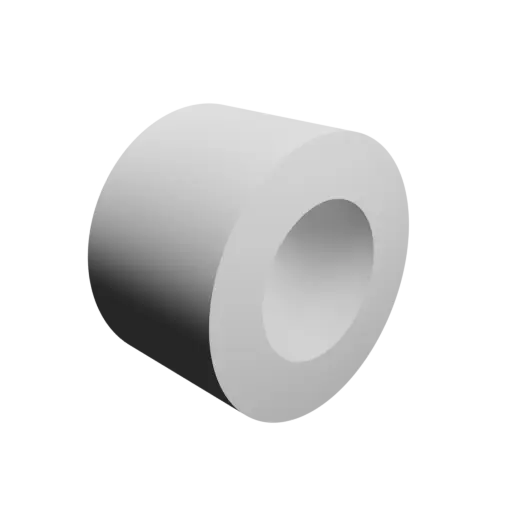
| Parameter | Value | Unit |
|---|---|---|
| inner diameter | 3.9 | mm |
| outer diameter | 6.9 | mm |
| thickness | 4.3 | mm |
| finish | none |
📦 Model #3057
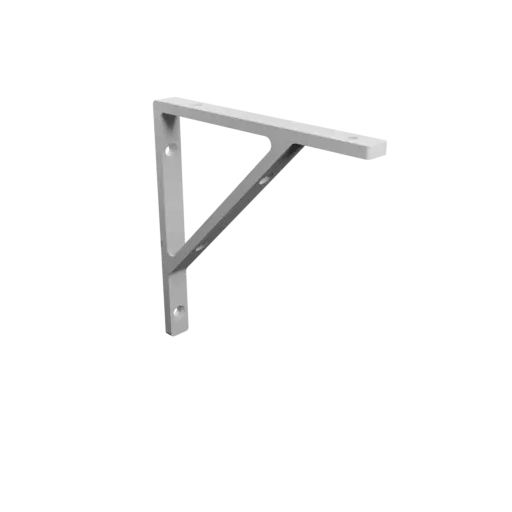
| Parameter | Value | Unit |
|---|---|---|
| length | 150 | mm |
| height | 150 | mm |
| width | 14 | mm |
| thickness | 6 | mm |
| hole diameter | 6 | mm |
| chamfer on the holes | yes |
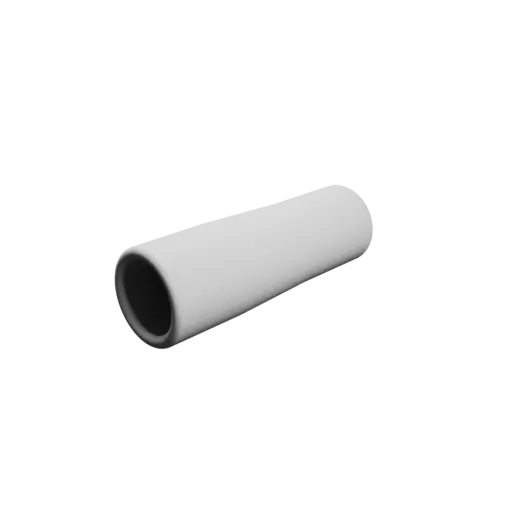
| Parameter | Value | Unit |
|---|---|---|
| side A length | 38 | mm |
| side A outer diameter | 40 | mm |
| side A thickness | 5 | mm |
| side B length | 40 | mm |
| side B outer diameter | 37 | mm |
| side B thickness | 5 | mm |
| transition length | 40 | mm |
| axis offset | 0 | mm |
| ends fillet | fillet on bo... |
📦 Model #4218
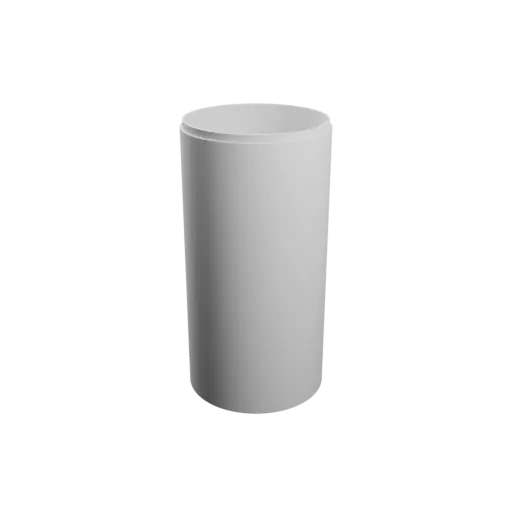
| Parameter | Value | Unit |
|---|---|---|
| external diameter | 100 | mm |
| total height | 200 | mm |
| wall thickness | 3 | mm |
| fit clearance | 0.2 | mm |
| inner bottom fillet | 1 | mm |
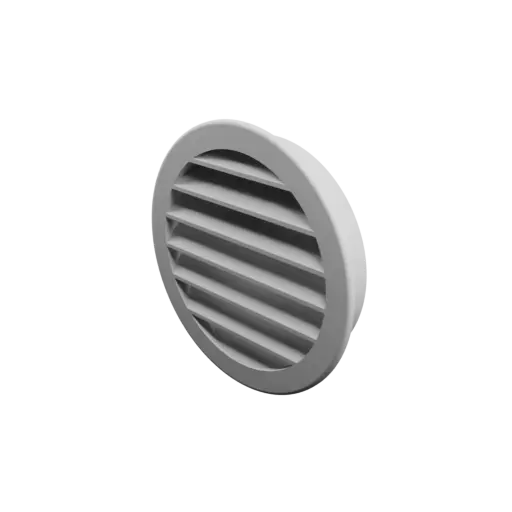
| Parameter | Value | Unit |
|---|---|---|
| male diameter | 115 | mm |
| slat angle | 45 | ° |
| slat thickness | 2 | mm |
| flange width | 10 | mm |
| central reinforcement | no |
📦 Model #4425
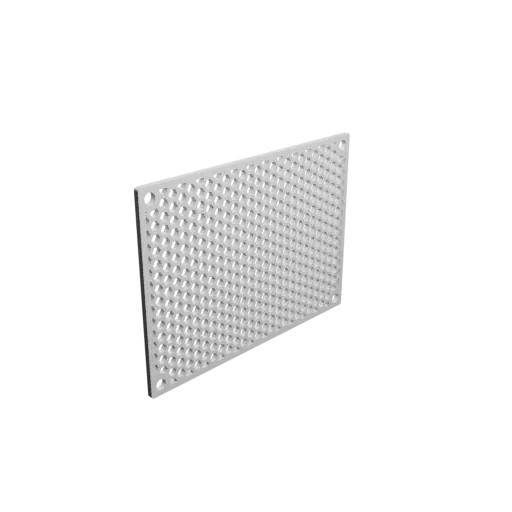
| Parameter | Value | Unit |
|---|---|---|
| length or center-to-center | 90 | mm |
| width or center-to-center | 64 | mm |
| mesh size | 3 | mm |
| dual color | no | |
| holes | yes | |
| hole diameter | 4 | mm |
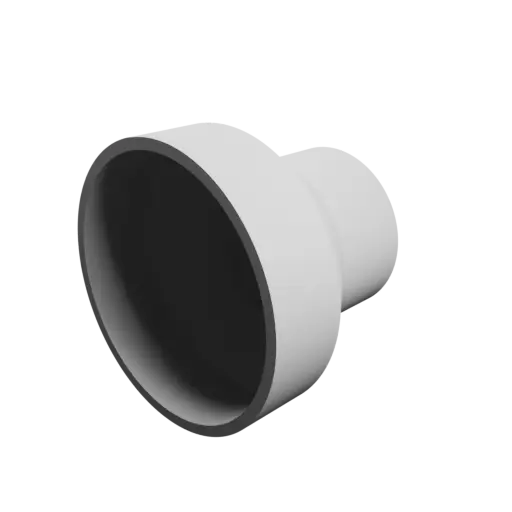
| Parameter | Value | Unit |
|---|---|---|
| side A length | 35 | mm |
| side A outer diameter | 125 | mm |
| side A thickness | 5 | mm |
| side B length | 40 | mm |
| side B outer diameter | 80 | mm |
| side B thickness | 5 | mm |
| transition length | 30 | mm |
| axis offset | 0 | mm |
| ends fillet | no fillet |
📦 Model #2375
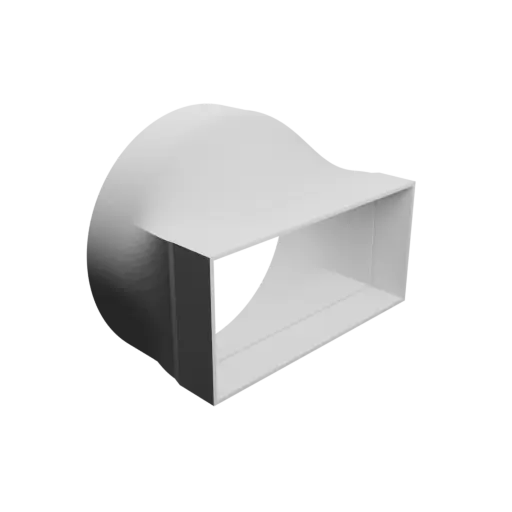
| Parameter | Value | Unit |
|---|---|---|
| cylinder outer diameter | 155 | mm |
| cylinder inlet length | 25 | mm |
| rectangle internal length | 151 | mm |
| rectangle internal height | 71 | mm |
| rectangle inlet length | 25 | mm |
| offset Z | 0 | mm |
| offset Y | 0 | mm |
| total length | 100 | mm |
| thickness | 2 | mm |
| chamfer | no chamfer |
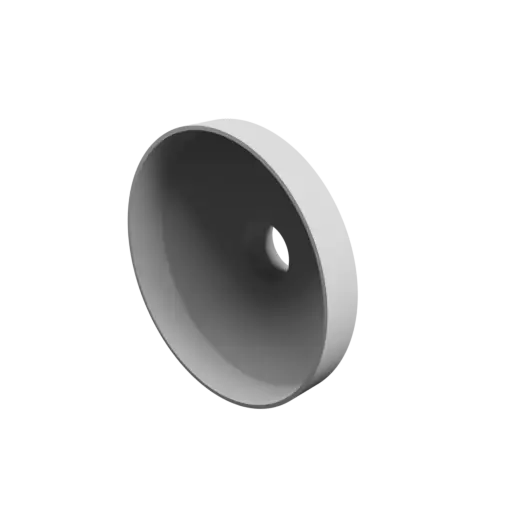
| Parameter | Value | Unit |
|---|---|---|
| side A length | 30 | mm |
| side A outer diameter | 200 | mm |
| side A thickness | 3 | mm |
| side B length | 30 | mm |
| side B outer diameter | 50 | mm |
| side B thickness | 3 | mm |
| transition length | 20 | mm |
| axis offset | 0 | mm |
| ends fillet | no fillet |
📦 Model #3362
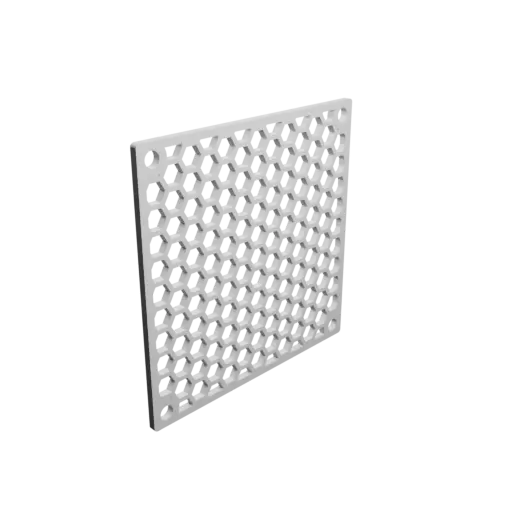
| Parameter | Value | Unit |
|---|---|---|
| length or center-to-center | 65 | mm |
| width or center-to-center | 65 | mm |
| mesh size | 5 | mm |
| dual color | no | |
| holes | yes | |
| hole diameter | 4 | mm |
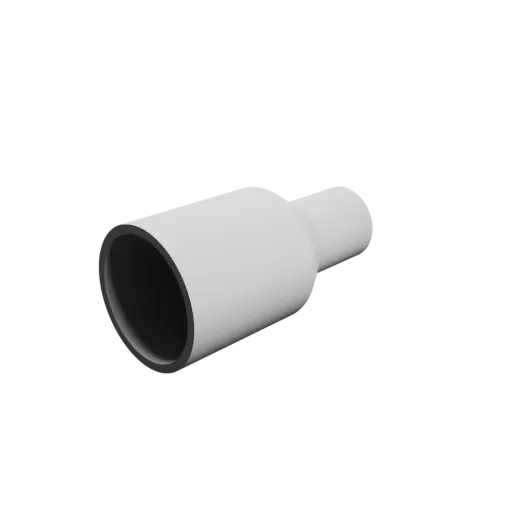
| Parameter | Value | Unit |
|---|---|---|
| side A length | 35 | mm |
| side A outer diameter | 32 | mm |
| side A thickness | 2 | mm |
| side B length | 20 | mm |
| side B outer diameter | 19 | mm |
| side B thickness | 2 | mm |
| transition length | 10 | mm |
| axis offset | 0 | mm |
| ends fillet | no fillet |
📦 Model #1772
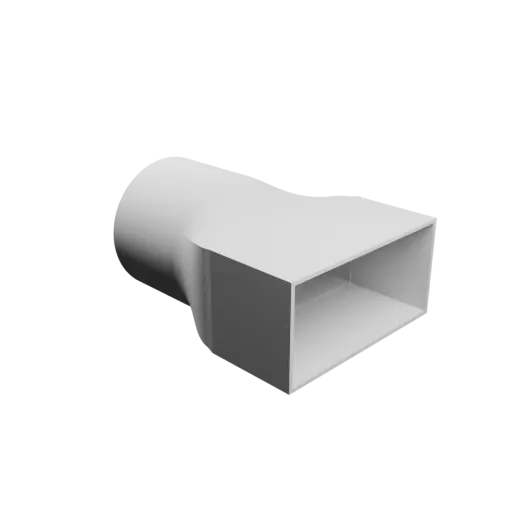
| Parameter | Value | Unit |
|---|---|---|
| cylinder outer diameter | 80 | mm |
| cylinder inlet length | 50 | mm |
| rectangle internal length | 105 | mm |
| rectangle internal height | 50 | mm |
| rectangle inlet length | 50 | mm |
| offset Z | 0 | mm |
| offset Y | 0 | mm |
| total length | 150 | mm |
| thickness | 2 | mm |
| chamfer | no chamfer |
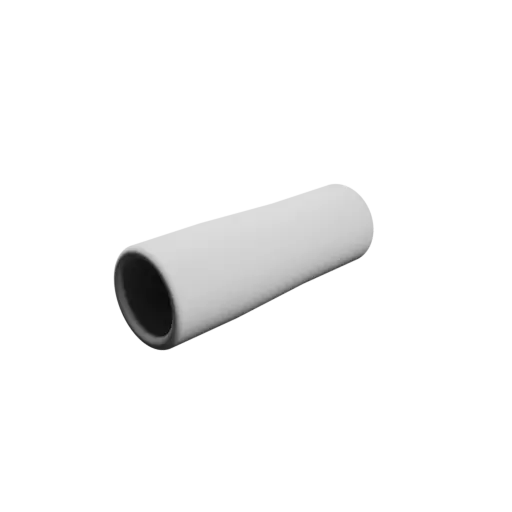
| Parameter | Value | Unit |
|---|---|---|
| side A length | 35 | mm |
| side A outer diameter | 40 | mm |
| side A thickness | 5 | mm |
| side B length | 40 | mm |
| side B outer diameter | 37 | mm |
| side B thickness | 5 | mm |
| transition length | 40 | mm |
| axis offset | 0 | mm |
| ends fillet | fillet on bo... |
📦 Model #3018
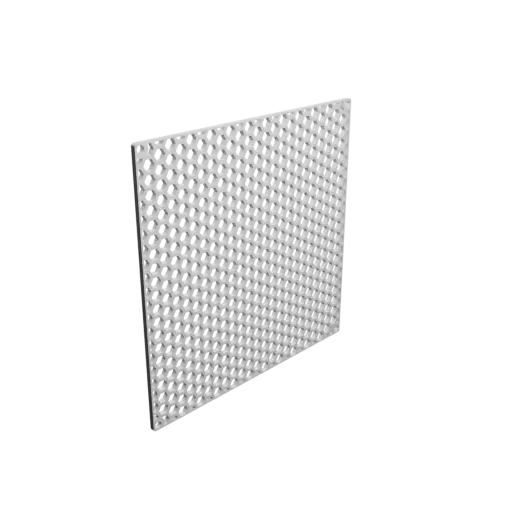
| Parameter | Value | Unit |
|---|---|---|
| length or center-to-center | 105 | mm |
| width or center-to-center | 105 | mm |
| mesh size | 4 | mm |
| dual color | yes | |
| holes | yes | |
| hole diameter | 3 | mm |
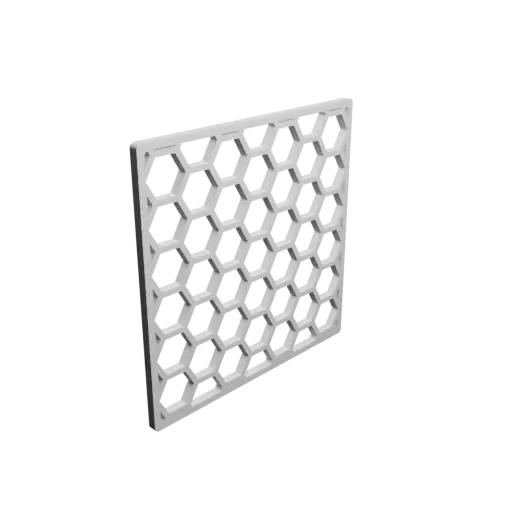
| Parameter | Value | Unit |
|---|---|---|
| length or center-to-center | 60 | mm |
| width or center-to-center | 60 | mm |
| mesh size | 8 | mm |
| dual color | no | |
| holes | no |
📦 Model #2718
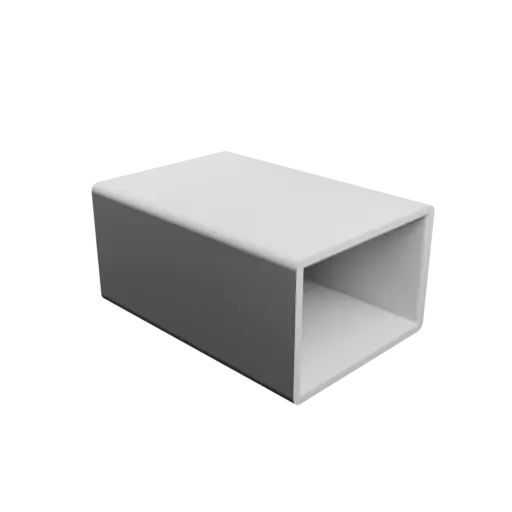
| Parameter | Value | Unit |
|---|---|---|
| number of rows | 1 | |
| number of columns | 1 | |
| inner drawer depth | 50 | mm |
| inner drawer width | 30 | mm |
| inner drawer height | 20 | mm |
| wall thickness | 2 | mm |
| removable divider | none |
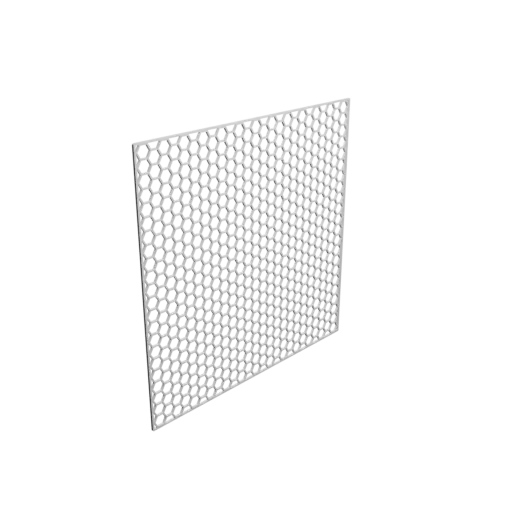
| Parameter | Value | Unit |
|---|---|---|
| length or center-to-center | 250 | mm |
| width or center-to-center | 250 | mm |
| mesh size | 10 | mm |
| dual color | no | |
| holes | no |
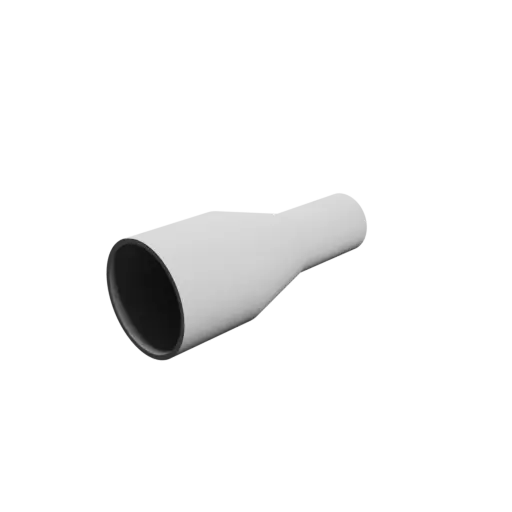
| Parameter | Value | Unit |
|---|---|---|
| side A length | 89 | mm |
| side A outer diameter | 102 | mm |
| side A thickness | 4.5 | mm |
| side B length | 88 | mm |
| side B outer diameter | 60 | mm |
| side B thickness | 4.5 | mm |
| transition length | 76 | mm |
| axis offset | 0 | mm |
| ends fillet | no fillet |
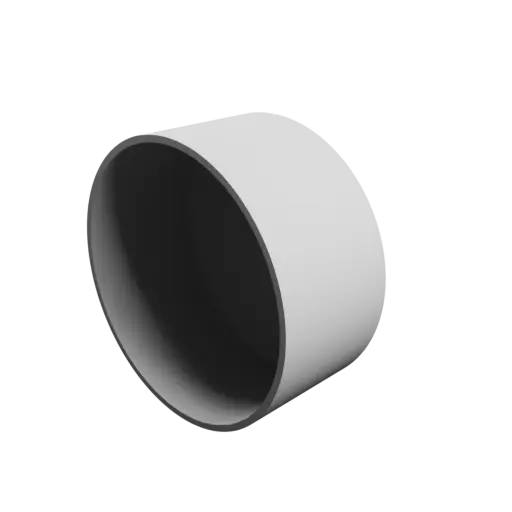
| Parameter | Value | Unit |
|---|---|---|
| side A length | 100 | mm |
| side A outer diameter | 210 | mm |
| side A thickness | 5 | mm |
| side B length | 30 | mm |
| side B outer diameter | 20 | mm |
| side B thickness | 5 | mm |
| transition length | 30 | mm |
| axis offset | 0 | mm |
| ends fillet | no fillet |
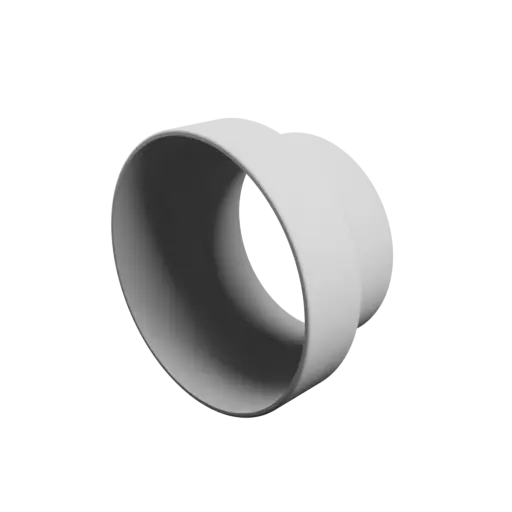
| Parameter | Value | Unit |
|---|---|---|
| side A length | 60 | mm |
| side A outer diameter | 250 | mm |
| side A thickness | 5 | mm |
| side B length | 50 | mm |
| side B outer diameter | 200 | mm |
| side B thickness | 5 | mm |
| transition length | 30 | mm |
| axis offset | 0 | mm |
| ends fillet | fillet on th... |
📦 Model #3491
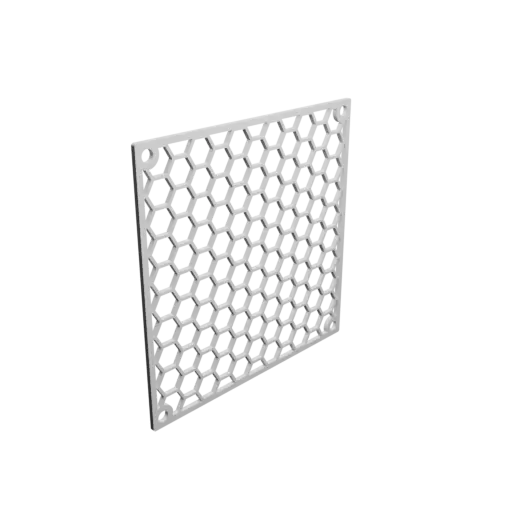
| Parameter | Value | Unit |
|---|---|---|
| length or center-to-center | 107 | mm |
| width or center-to-center | 107 | mm |
| mesh size | 10 | mm |
| dual color | no | |
| holes | yes | |
| hole diameter | 5 | mm |
📦 Model #3004
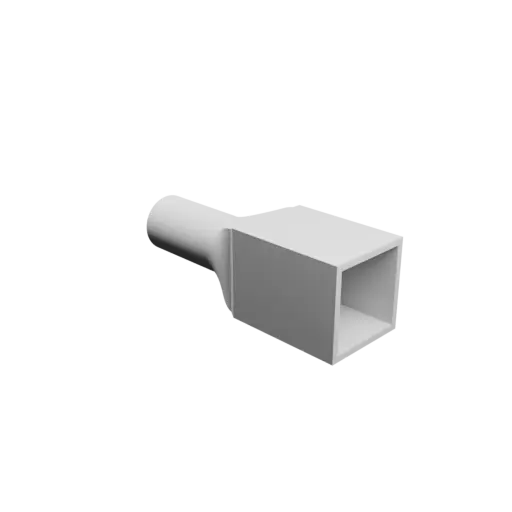
| Parameter | Value | Unit |
|---|---|---|
| cylinder outer diameter | 20 | mm |
| cylinder inlet length | 30 | mm |
| rectangle internal length | 26 | mm |
| rectangle internal height | 26 | mm |
| rectangle inlet length | 40 | mm |
| offset Z | 0 | mm |
| offset Y | 0 | mm |
| total length | 90 | mm |
| thickness | 2 | mm |
| chamfer | no chamfer |
📦 Model #2758
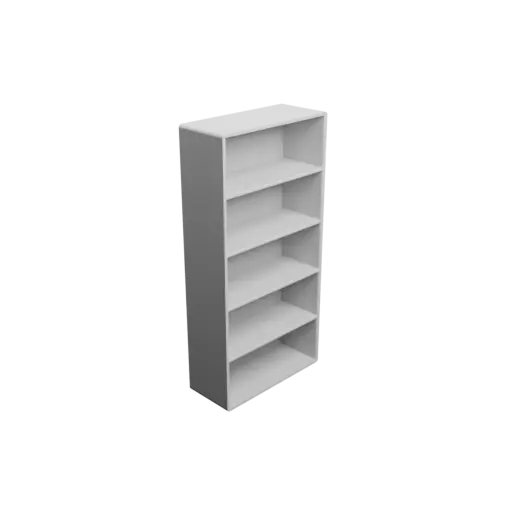
| Parameter | Value | Unit |
|---|---|---|
| number of rows | 5 | |
| number of columns | 1 | |
| inner drawer depth | 25 | mm |
| inner drawer width | 65 | mm |
| inner drawer height | 25 | mm |
| wall thickness | 2 | mm |
| removable divider | one divider ... |
📦 Model #3509
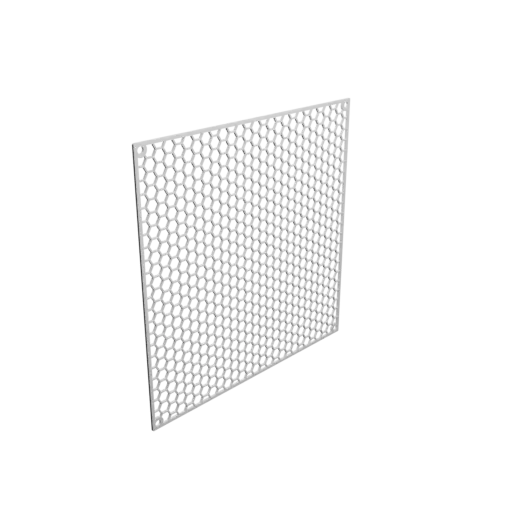
| Parameter | Value | Unit |
|---|---|---|
| length or center-to-center | 250 | mm |
| width or center-to-center | 250 | mm |
| mesh size | 10 | mm |
| dual color | no | |
| holes | yes | |
| hole diameter | 6 | mm |
STL: Advantages and Disadvantages for 3D Printing
The STL format is, without question, a cornerstone of 3D printing. This exchange format has established itself as the universal standard for representing 3D models ever since the early days of stereolithography. Its main strength lies in its simplicity: it describes the surface of an object using countless small triangles that form a mesh. This approach, known as tessellation, makes STL 3D files universally compatible with nearly all CAD software and slicers. If you’d like to learn more about this format, check out our article STL: What Is This 3D File Format?.
One of the major advantages of the format lies in this universality: whether you’re using a complex modeling program or a simpler design tool, you can export your 3D models in STL 3D format with near certainty that they’ll be interpreted correctly by your 3D printer. This ease of exchange has played a key role in the widespread adoption of 3D printing, allowing anyone to share and print objects without worrying about software compatibility. Once again, simplicity is its greatest strength.
However, that same simplicity also brings certain limitations. The triangle mesh, while effective for describing geometry, contains no information about colors, textures, or materials. For more advanced projects requiring these details, the STL format starts to show its weaknesses. Additionally, print quality depends directly on the fineness of the tessellation: too few triangles can lead to rough or faceted surfaces, while an overly dense mesh can make the file unnecessarily heavy.
Another notable drawback is the lack of unit management. An STL file doesn’t specify whether dimensions are in millimeters, centimeters, or inches, which can sometimes cause scaling errors when importing into a slicer. Despite these limitations, the STL format remains the go-to standard for converting your 3D models into G-code — the language your printer understands. It continues to be the preferred choice for its robustness and broad compatibility, even as newer formats like 3MF emerge for more specialized needs.
What is parametric modeling?
Parametric modeling is a fundamental approach in computer-aided design (CAD) that reshapes how 3D models are created and managed. Far from being a simple drawing technique, it represents a genuine design philosophy where objects are defined not by fixed shapes, but by variables and intelligent relationships.
This method makes it possible to modify the length, width, or diameter of a part and have the entire design adapt automatically, without the need to redraw everything. At the core of the process are parameters—numerical values (length, angle, thickness, etc.)—linked together through constraints and formulas. For instance, the diameter of a hole can be defined as half the width of a plate; if the width changes, the hole’s diameter instantly adjusts, ensuring the consistency of the design. This interdependence makes 3D models flexible and responsive to changes. One of the main advantages of parametric modeling lies in its ability to simplify customization and enable rapid iteration of designs.
Whether through modeling software such as Fusion 360 or FreeCAD, or through code-based libraries like build123d, this approach allows effortless exploration of a wide range of variations. Such flexibility is especially valuable across multiple fields—from mechanical engineering and architecture to consumer product design. It saves considerable time, reduces errors, and improves the performance of parts.
By defining design intent from the start through these parameters and constraints, the model preserves its integrity and functionality even after numerous modifications. It is a powerful way to transform an idea into a tangible object, ready to adapt to new situations.