Enter at least one field. If the model doesn’t exist, on-demand generation will be offered to you.
Additional information
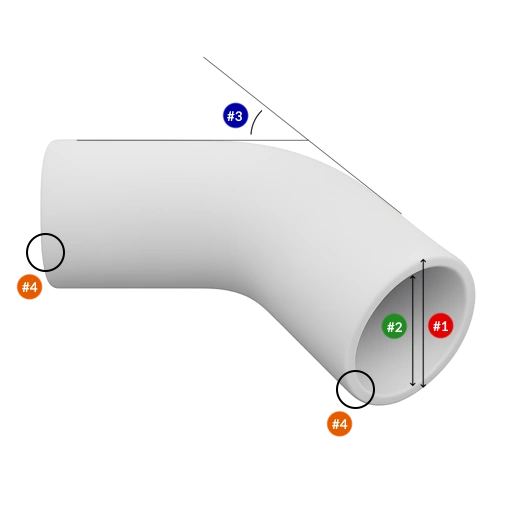
The difference between the two diameters must be at least 0.8 mm.
2025-09-07 (last model before revision: #1608) :
The minimum value between the two diameters is now set to at least 0.8 mm.
If the end fillets option is enabled, the applied fillet radius on the inside and outside of the tube changes
from “half the wall thickness minus 0.4 mm” to “half the wall thickness minus 0.1 mm.”
The length of the straight sections is equal to the outer diameter of the tube.
The arc radius is equal to the outer diameter of the tube.
If the end fillet option is enabled,
the fillet radius applied to the inside and outside of the tube is equal to half
the wall thickness minus 0.1 mm, never exceeding 3 mm.
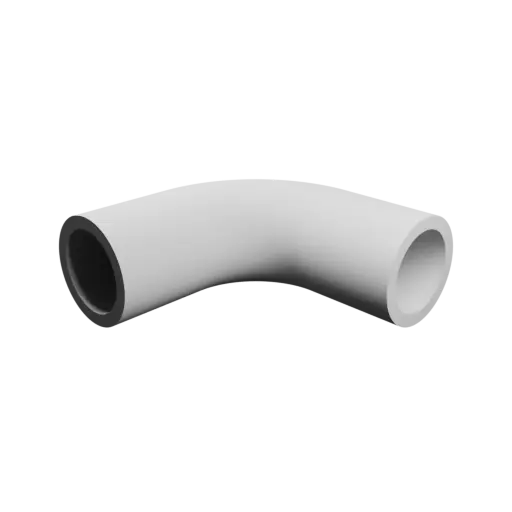
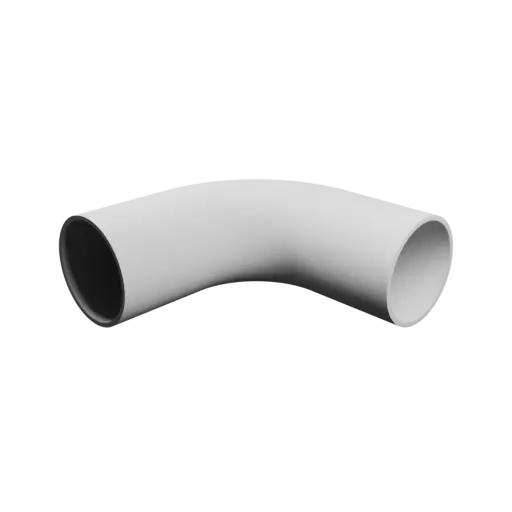
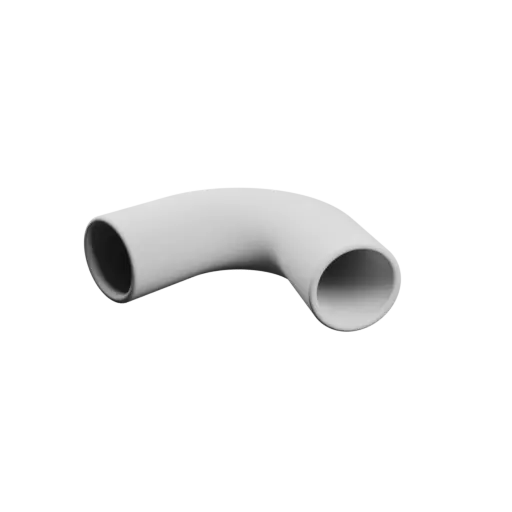
3D model of a pipe elbow with a 105° angle in STL format. This elbow has an outer diameter of 150 mm and an inner diameter of 145 mm. The tube thickness is therefore 2.5 mm. The ends feature fillets to make it easier to assemble.
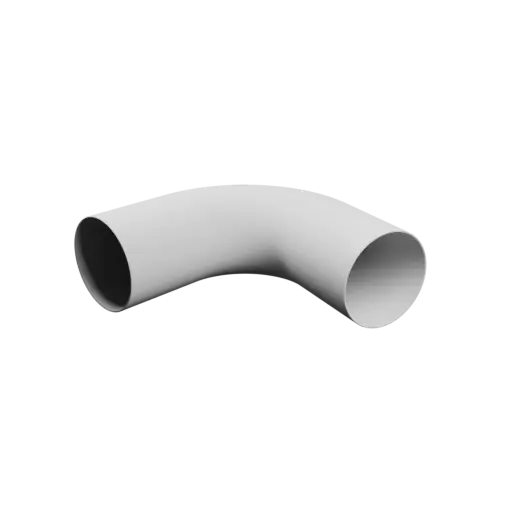
3D model of an elbow with a 120° angle in STL format. This elbow features an outer diameter of 54 mm and an inner diameter of 51 mm. The tube thickness is therefore 1.5 mm.
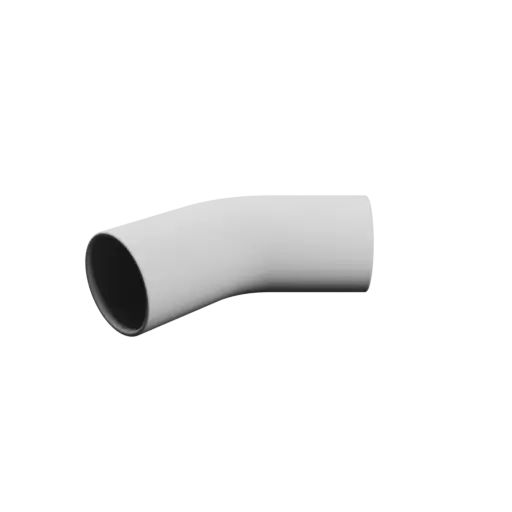
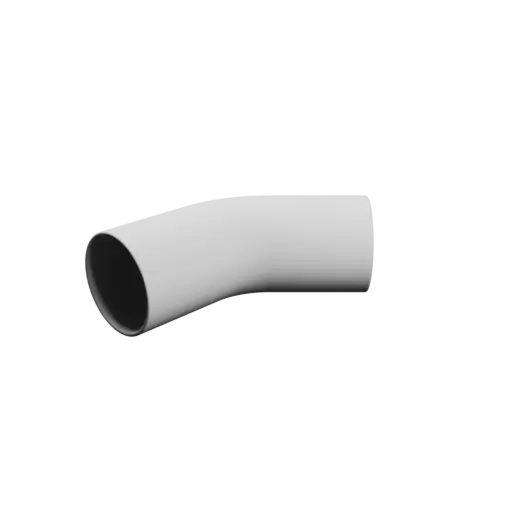
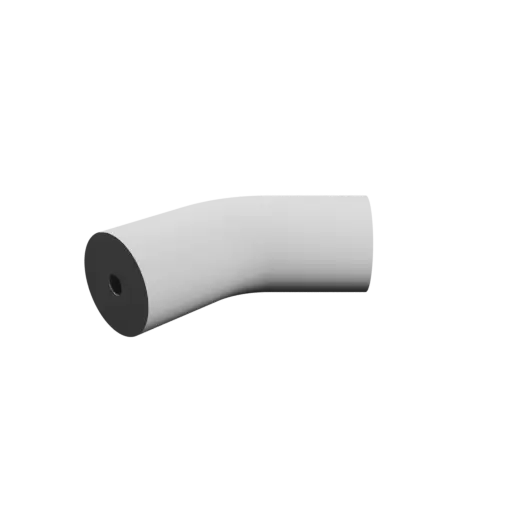
3D model of a tubing elbow with a 45° angle in STL format. This elbow features an external diameter of 22.1 mm and an internal diameter of 20.1 mm. The tube thickness is therefore 1 mm. The ends feature fillets to make it easier to assemble.
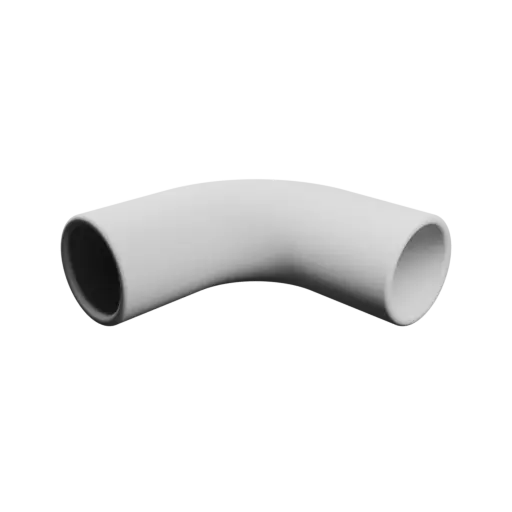
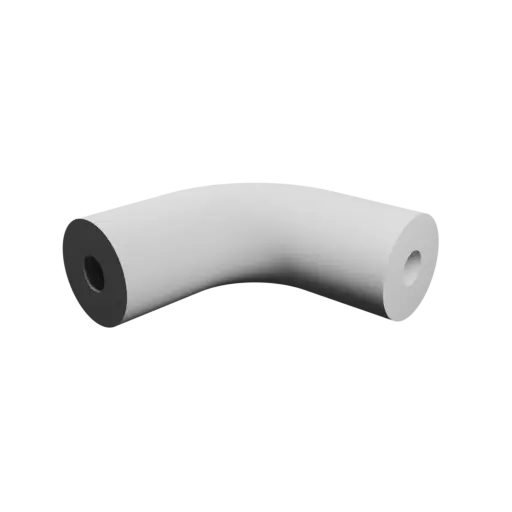
File of an elbow with a 90° angle in STL format. This pipe elbow has an outer diameter of 42.3 mm and an inner diameter of 38.7 mm. The tube thickness is therefore 1.8 mm.
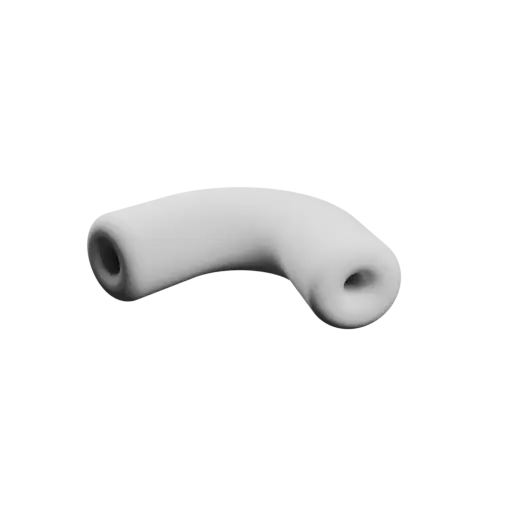
3D file of an elbow with a 120° angle in STL format. This pipe elbow features an external diameter of 8 mm and an internal diameter of 2 mm. This results in a tube thickness of 3 mm. End fillets make it easier to insert.
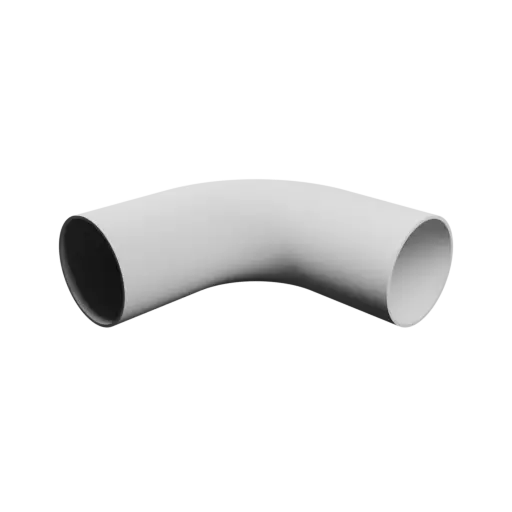
File of an elbow with a 90° angle in STL format. This pipe elbow has an outer diameter of 22 mm and an inner diameter of 18 mm. This results in a tube thickness of 2 mm. End fillets make it easier to assemble.
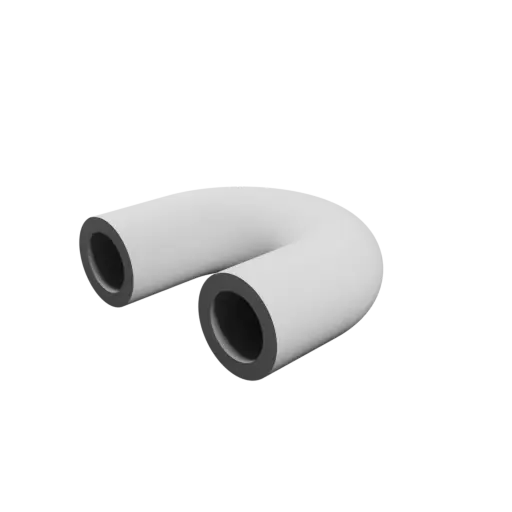
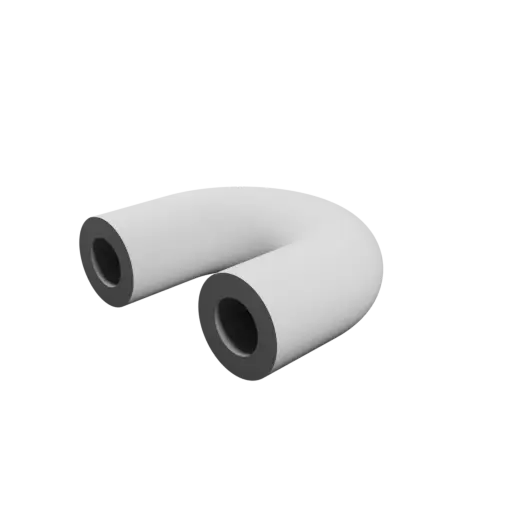
3D model of a tubing elbow with a 180° angle in STL format. This pipe elbow has an outer diameter of 42 mm and an inner diameter of 28 mm. This results in a tube thickness of 7 mm.
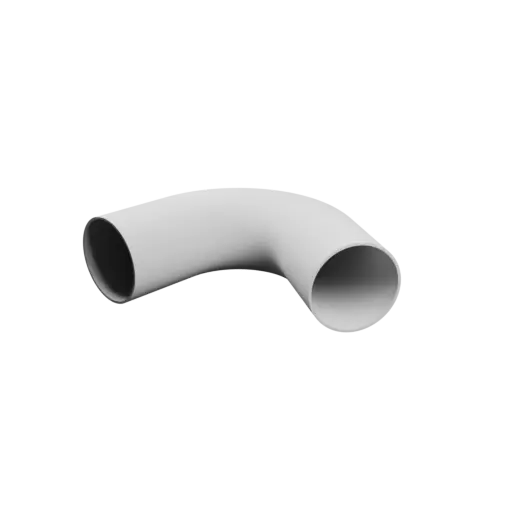
3D model of a pipe elbow with a 120° angle in STL format. This elbow has an external diameter of 42 mm and an internal diameter of 28 mm. This results in a tube thickness of 7 mm.
Model of a tubing elbow with a 30° angle in STL format. This elbow features an outer diameter of 42 mm and an inner diameter of 28 mm. This results in a tube thickness of 7 mm.
3D model of a tubing elbow with a 120° angle in STL format. This elbow has an outer diameter of 33.4 mm and an inner diameter of 30 mm. The tube thickness is therefore 1.7 mm. End fillets make it easier to assemble.
Model of an elbow with a 45° angle in STL format. This elbow has an external diameter of 100 mm and an internal diameter of 96 mm. The tube thickness is therefore 2 mm. The ends feature fillets to make it easier to insert.
Model of an elbow with a 90° angle in STL format. This pipe elbow has an outer diameter of 84 mm and an inner diameter of 80 mm. The tube thickness is therefore 2 mm. End fillets make it easier to assemble.
File of an elbow with a 180° angle in STL format. This elbow features an external diameter of 8 mm and an internal diameter of 6 mm. This results in a tube thickness of 1 mm. End fillets make it easier to assemble.
3D model of a tubing elbow with a 180° angle in STL format. This elbow has an external diameter of 10 mm and an internal diameter of 8 mm. The tube thickness is therefore 1 mm.
Model of a tubing elbow with a 120° angle in STL format. This elbow has an outer diameter of 54 mm and an inner diameter of 50 mm. This results in a tube thickness of 2 mm. The ends feature fillets to make it easier to insert.
3D model of an elbow with a 45° angle in STL format. This pipe elbow features an external diameter of 54 mm and an internal diameter of 50 mm. The tube thickness is therefore 2 mm. The ends feature fillets to make it easier to insert.
3D file of a tubing elbow with a 10° angle in STL format. This pipe elbow has an external diameter of 115 mm and an internal diameter of 105 mm. This results in a tube thickness of 5 mm.
Model of a pipe elbow with a 90° angle in STL format. This elbow has an external diameter of 54 mm and an internal diameter of 51 mm. The tube thickness is therefore 1.5 mm.
3D model of a pipe elbow with a 155° angle in STL format. This pipe elbow has an external diameter of 22 mm and an internal diameter of 12 mm. The tube thickness is therefore 5 mm.
3D file of a pipe elbow with a 180° angle in STL format. This elbow has an external diameter of 22 mm and an internal diameter of 12 mm. The tube thickness is therefore 5 mm.
File of an elbow with a 120° angle in STL format. This elbow features an outer diameter of 41 mm and an inner diameter of 34 mm. This results in a tube thickness of 3.5 mm. End fillets make it easier to insert.
File of an elbow with a 45° angle in STL format. This elbow features an outer diameter of 5 mm and an inner diameter of 1 mm. This results in a tube thickness of 2 mm.
3D model of a pipe elbow with an 85° angle in STL format. This elbow features an external diameter of 3 mm and an internal diameter of 1 mm. This results in a tube thickness of 1 mm.
File of an elbow with a 75° angle in STL format. This elbow has an external diameter of 3 mm and an internal diameter of 1 mm. This results in a tube thickness of 1 mm.
3D model of a pipe elbow with a 65° angle in STL format. This pipe elbow features an outer diameter of 3 mm and an inner diameter of 1 mm. This results in a tube thickness of 1 mm.
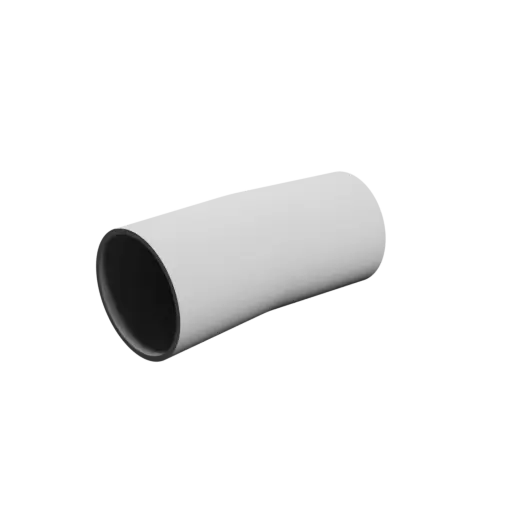
Model of a pipe elbow with a 15° angle in STL format. This pipe elbow features an external diameter of 32 mm and an internal diameter of 28 mm. This results in a tube thickness of 2 mm. End fillets make it easier to assemble.
3D file of an elbow with a 45° angle in STL format. This pipe elbow has an outer diameter of 105 mm and an inner diameter of 101 mm. This results in a tube thickness of 2 mm.
3D file of a pipe elbow with a 35° angle in STL format. This elbow has an external diameter of 105 mm and an internal diameter of 101 mm. The tube thickness is therefore 2 mm. End fillets make it easier to insert.
3D file of an elbow with a 180° angle in STL format. This elbow has an external diameter of 37 mm and an internal diameter of 35 mm. The tube thickness is therefore 1 mm.
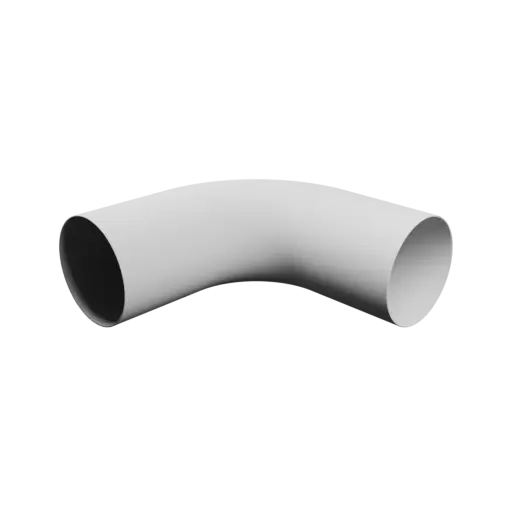
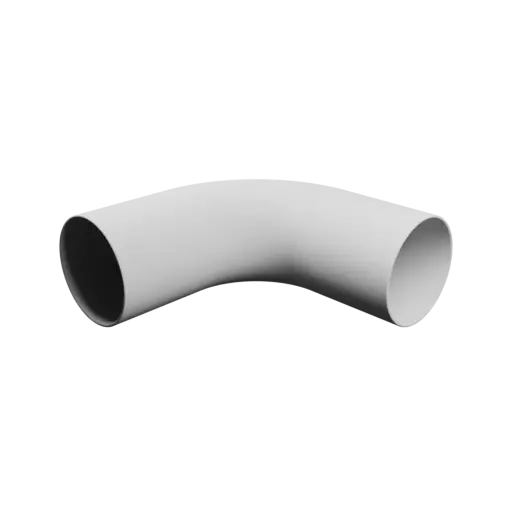
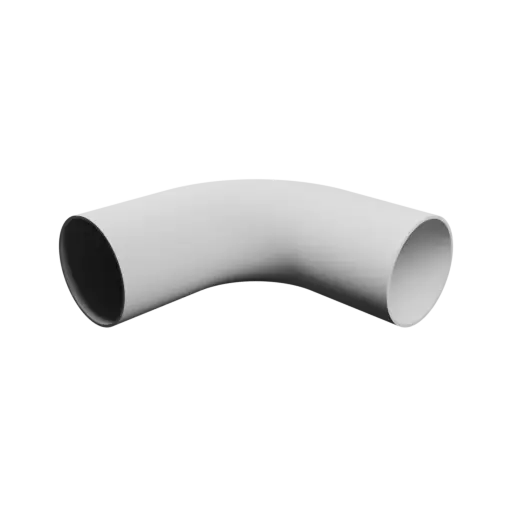
Model of a tubing elbow with a 90° angle in STL format. This elbow has an external diameter of 190 mm and an internal diameter of 180 mm. This results in a tube thickness of 5 mm.
Parameter
Value
Unit
outer diameter
190
mm
inner diameter
180
mm
angle
90
°
end fillets
no
3D-printable pipe elbows
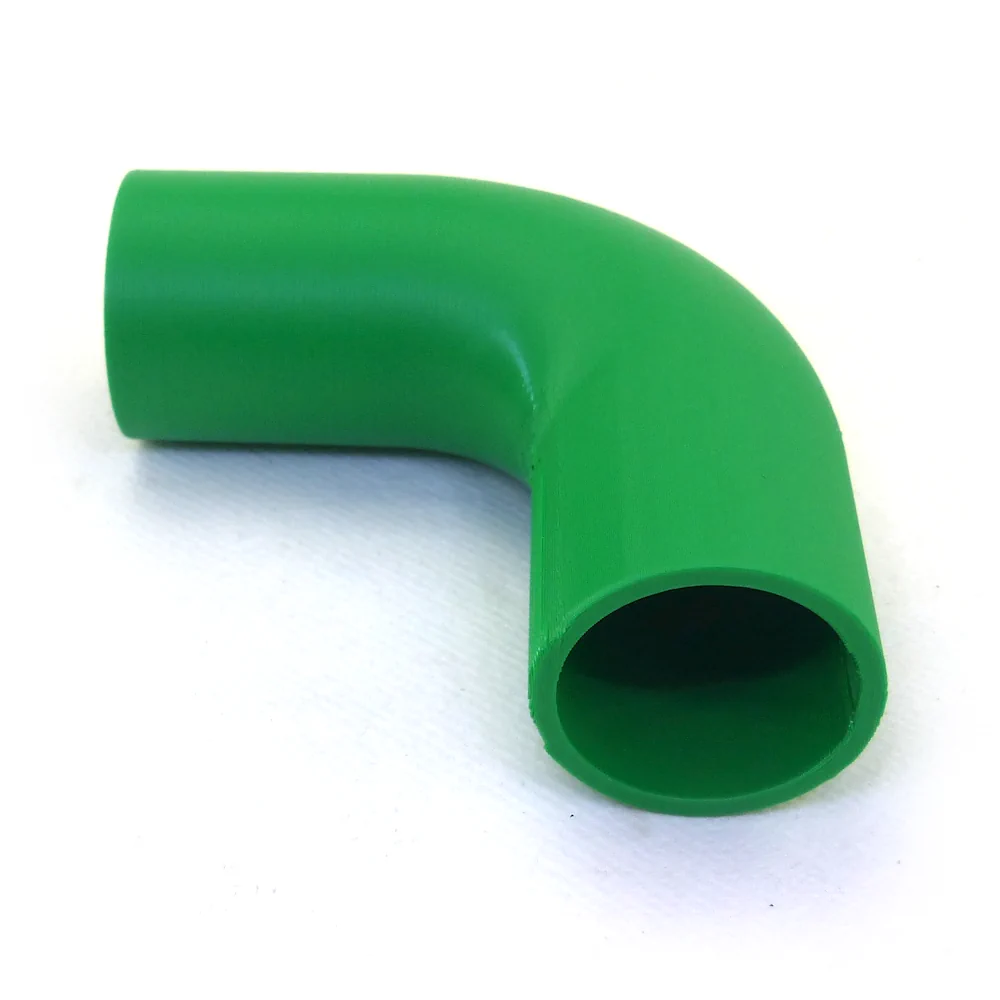
Pipe elbows make it possible to change the direction of a fluid circuit, whether for air or liquid, while maintaining smooth and controlled flow. 3D-printable, they are suitable for many applications such as DIY projects, ventilation systems, ducts, piping networks, or fluid transfers. Their parametric design allows adjustment of inner and outer diameters, angle, and optional rounding to simplify assembly.
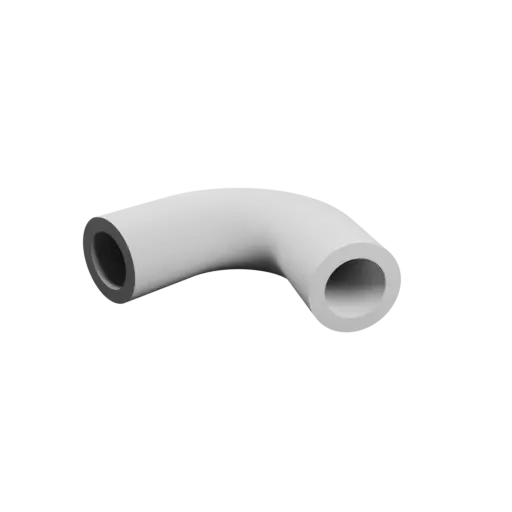
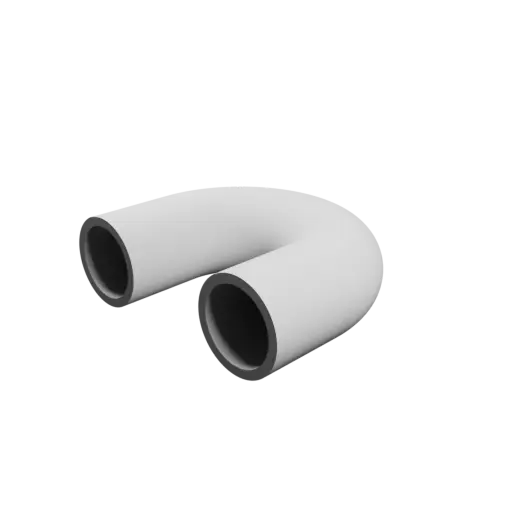
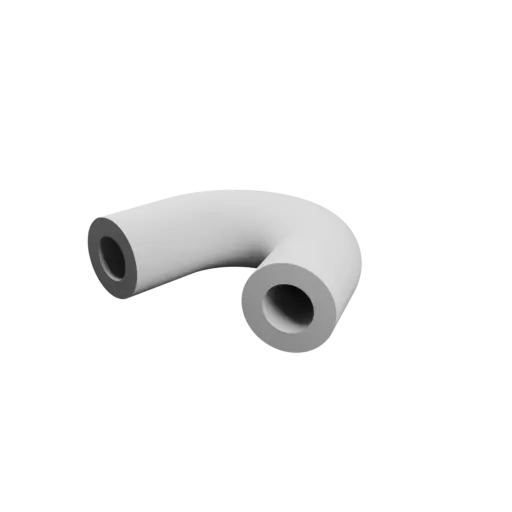
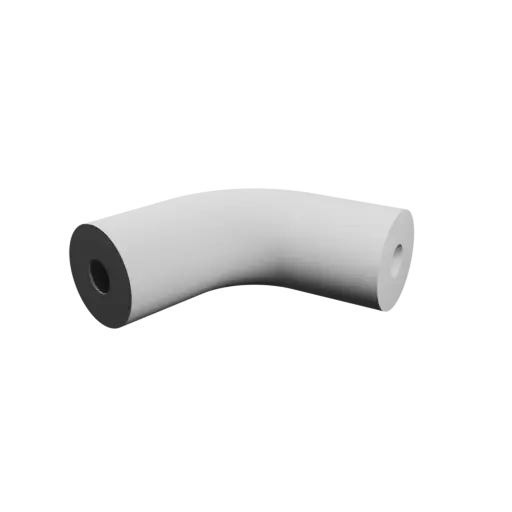
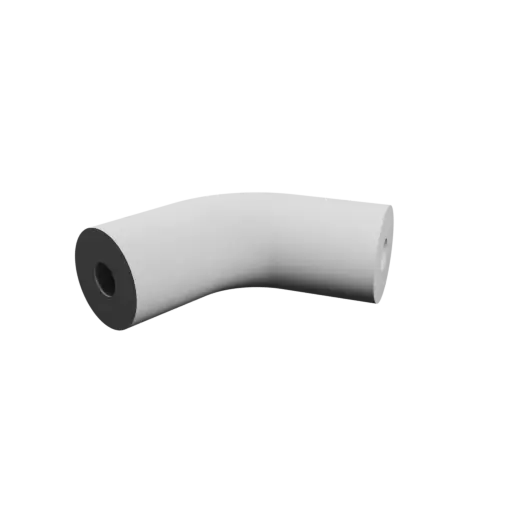
The parametric generation system also makes it possible to create very thick walls relative to the internal diameter, for specific builds — as shown in this elbow model, which perfectly illustrates this robust configuration.
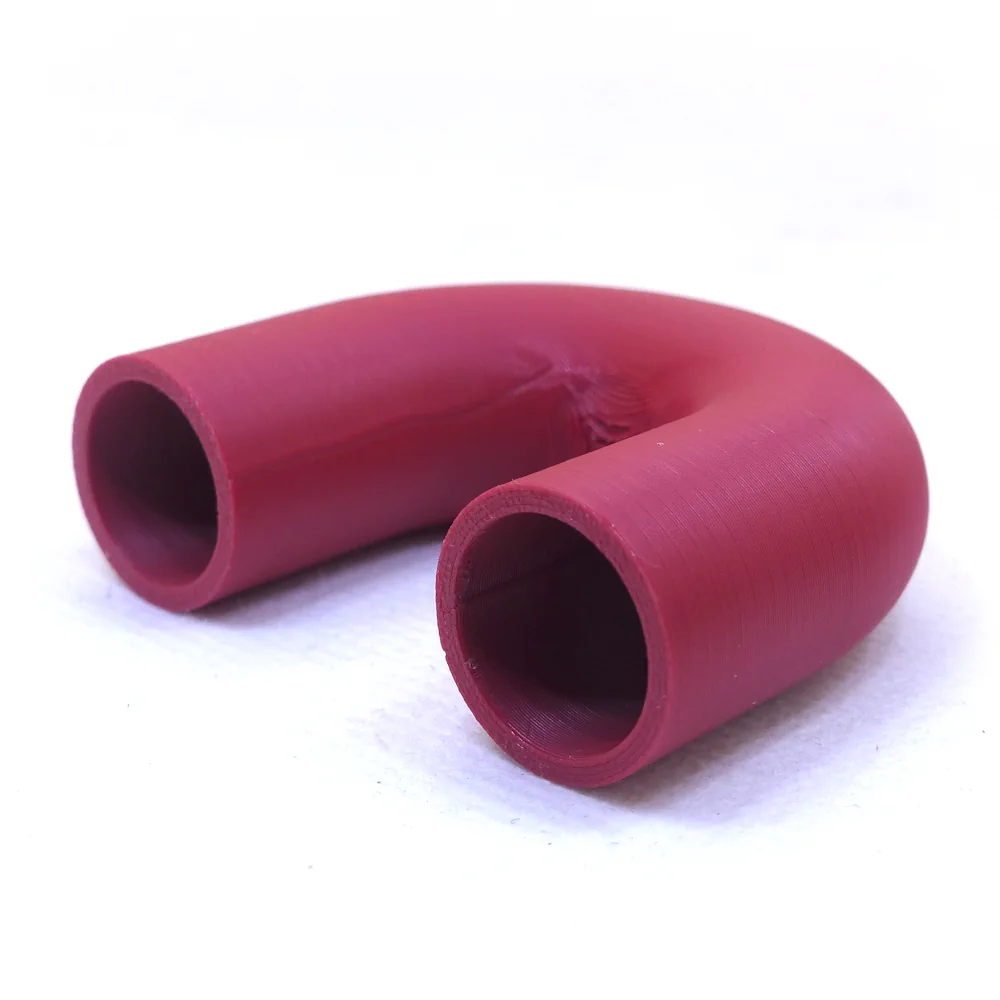
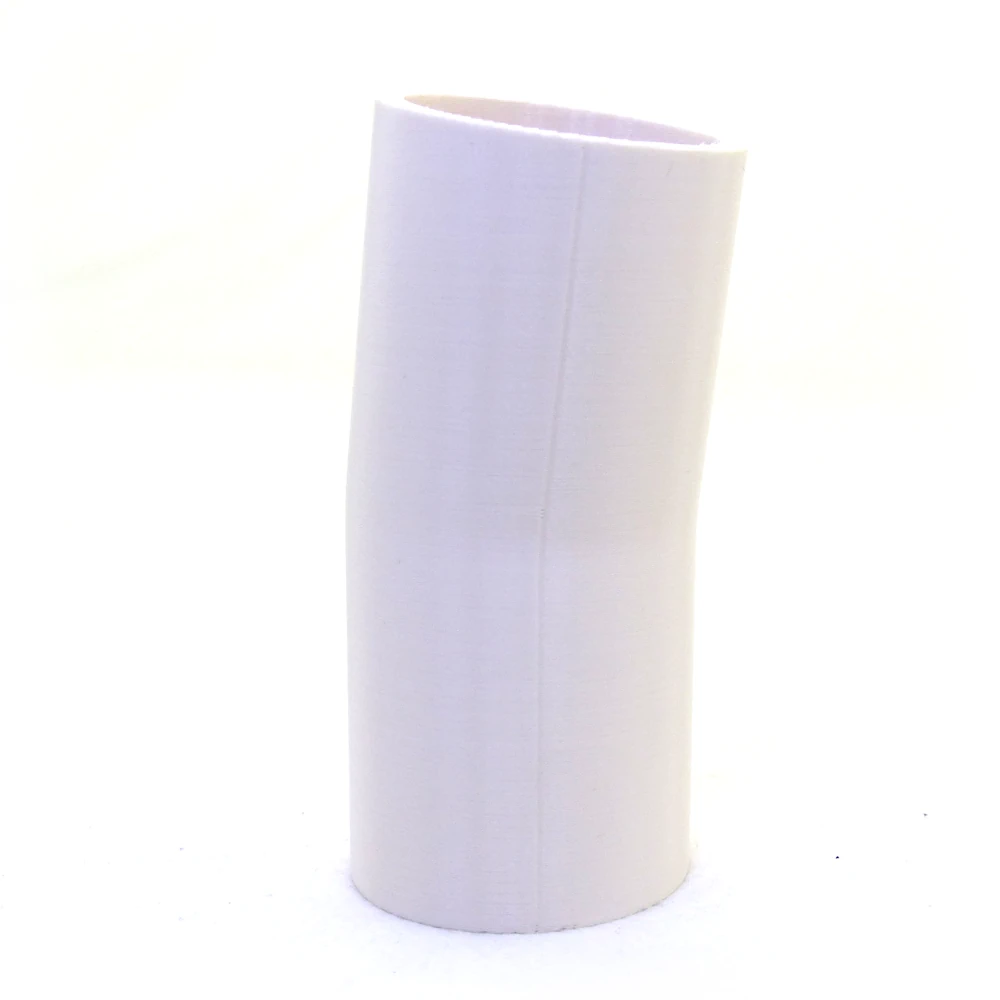
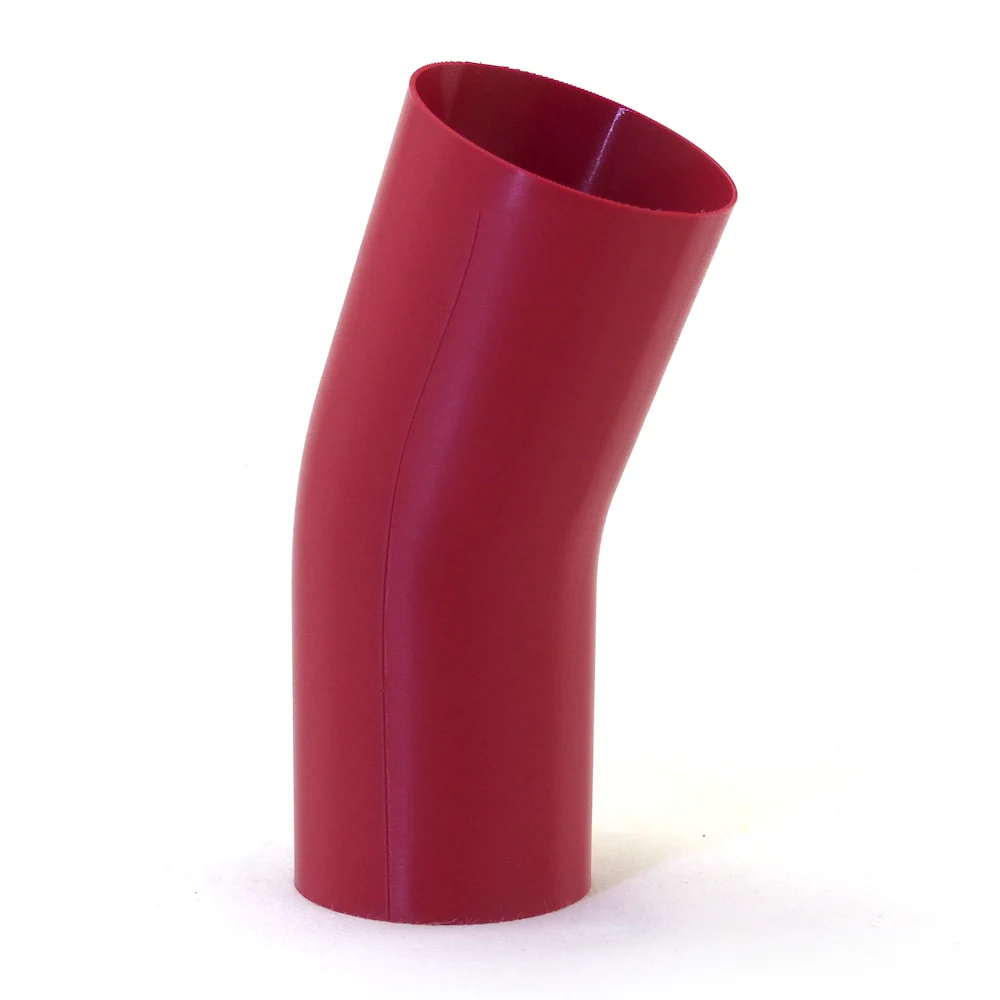
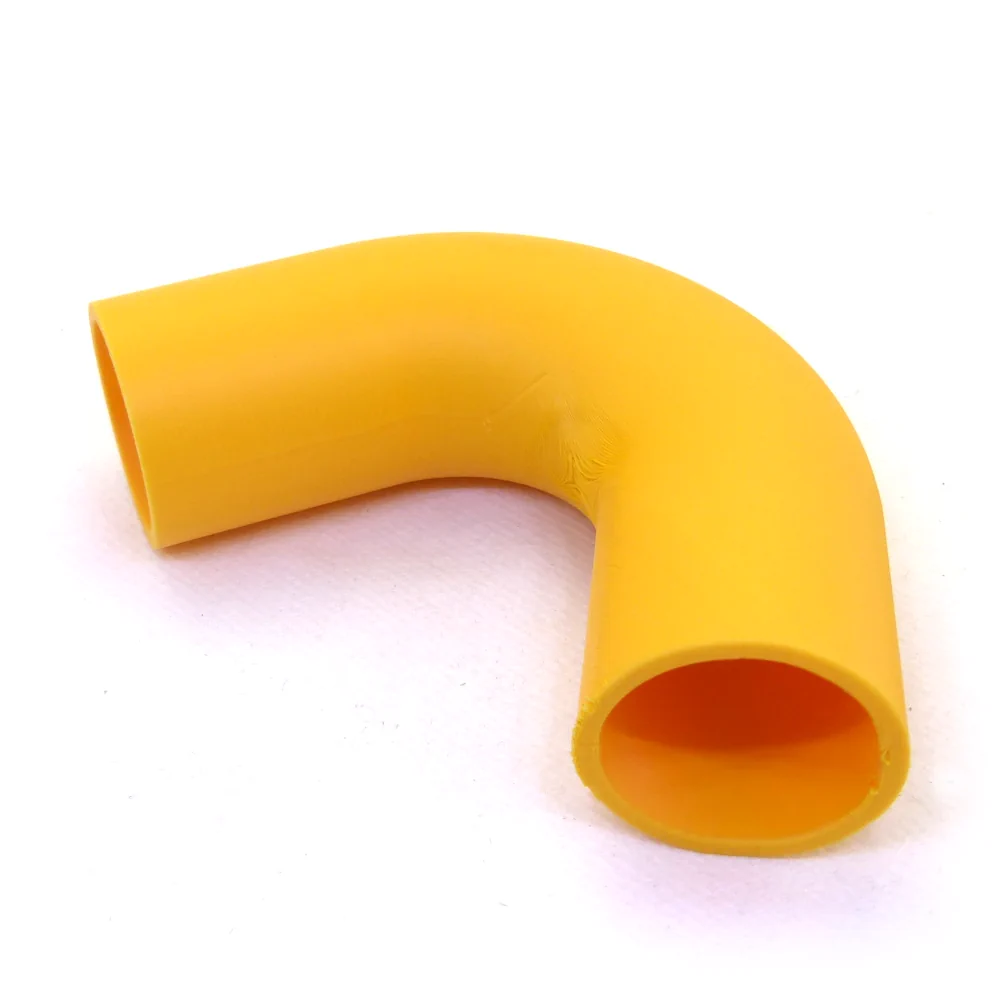
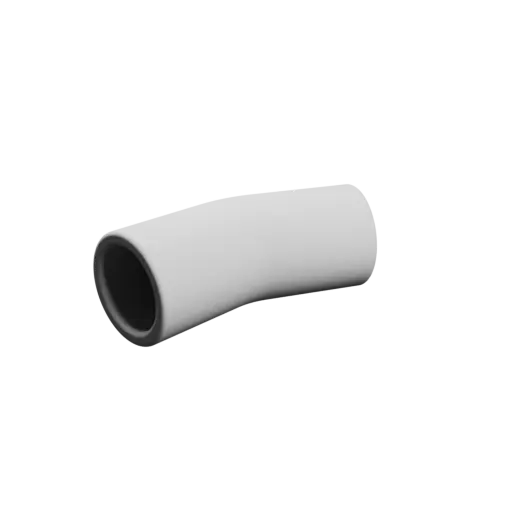
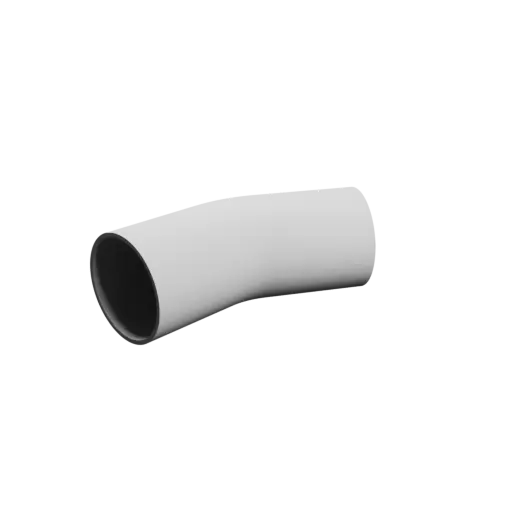
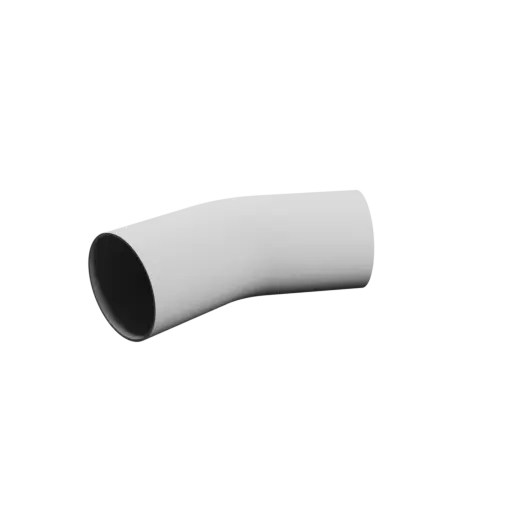
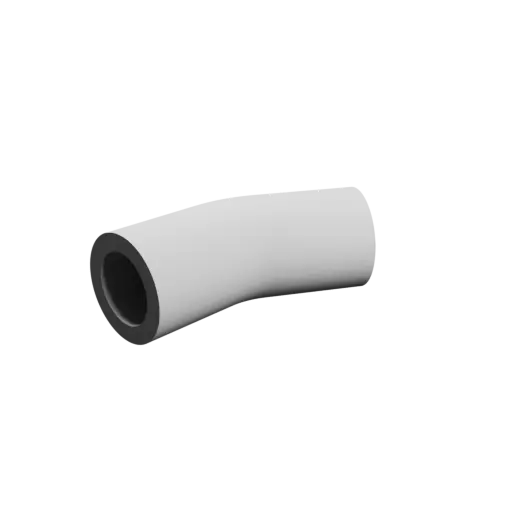
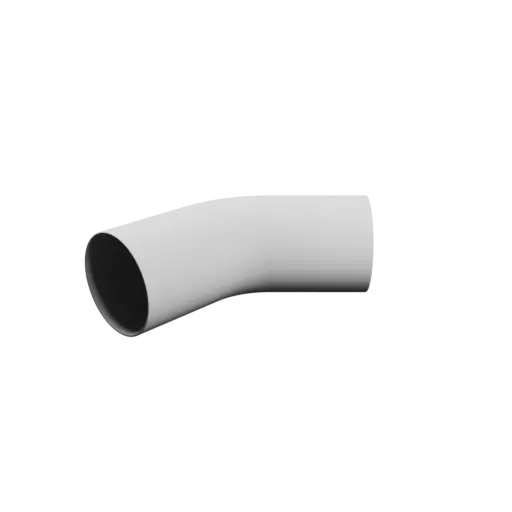
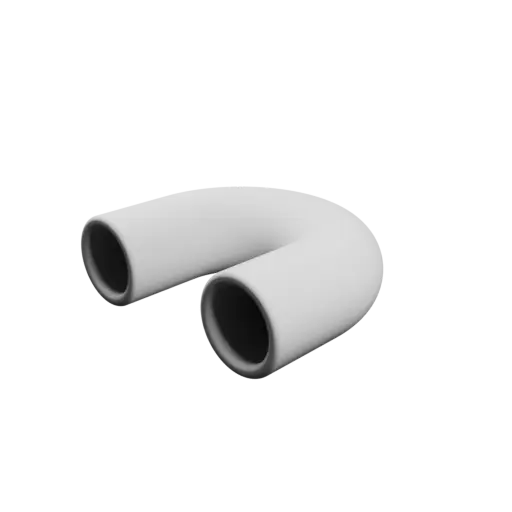
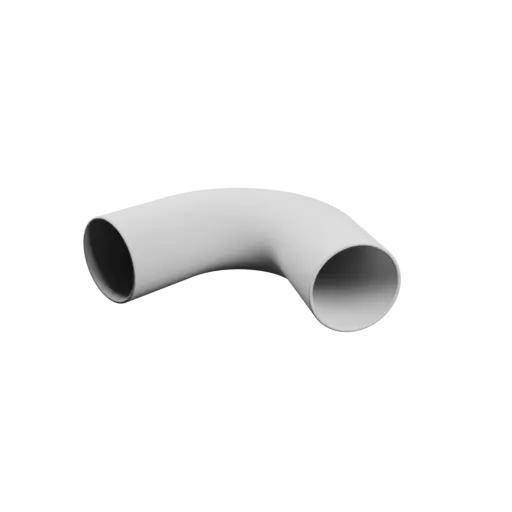
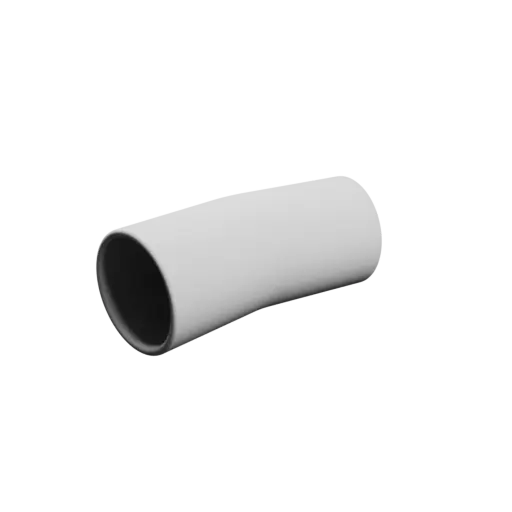
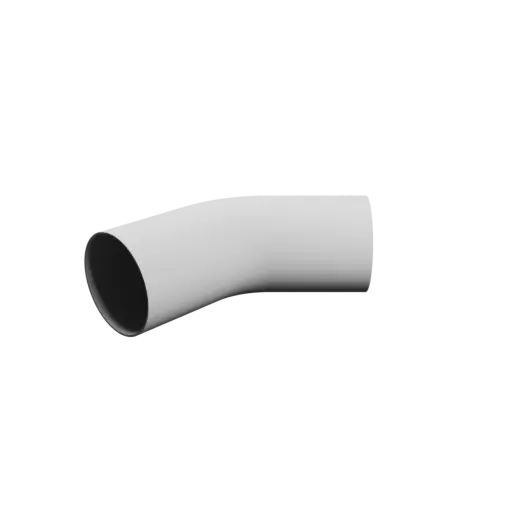
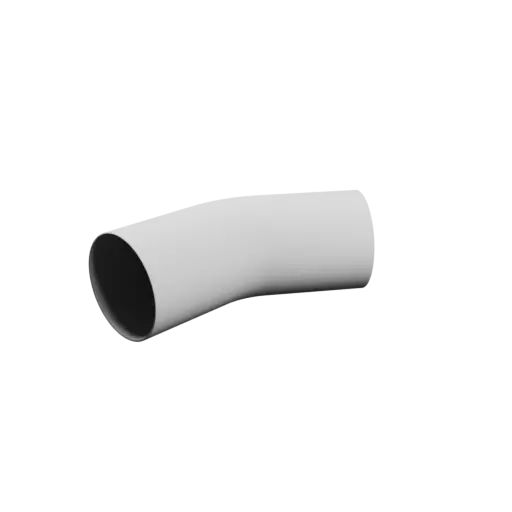
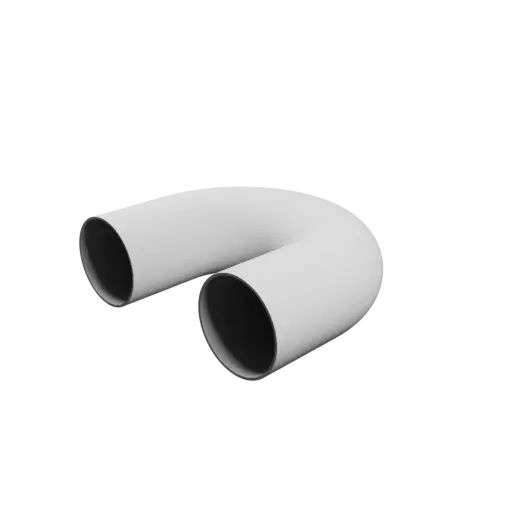
For a very gentle direction change, a low-angle elbow helps maintain smooth and continuous flow. For a sharper turn, a 180° elbow enables a complete U-turn of the flow in a confined space, ideal for compact systems or return lines. These models maintain a smooth internal passage to reduce pressure loss and ensure good hydraulic or airflow efficiency.
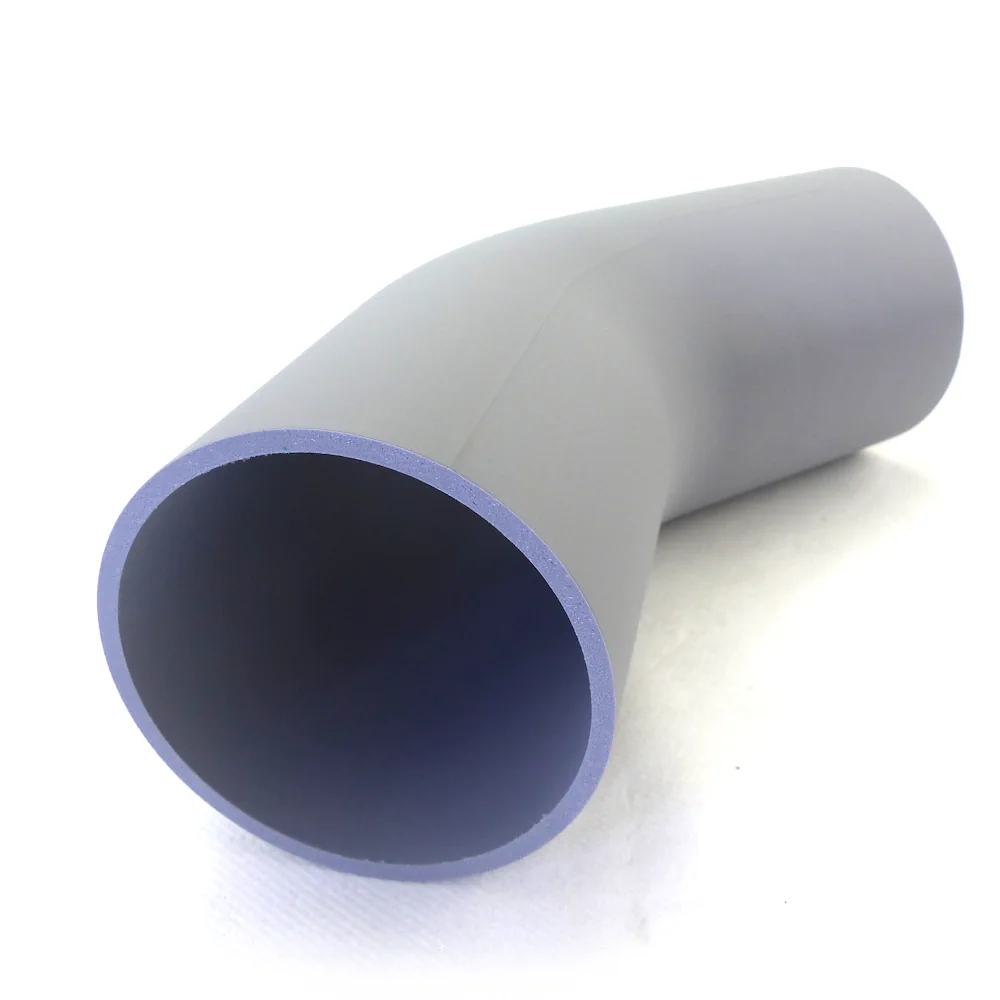
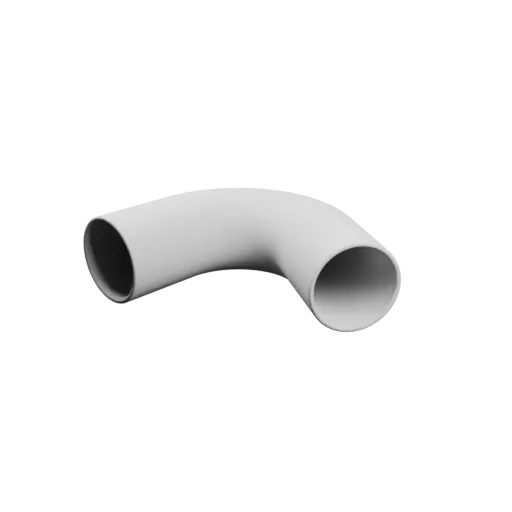
Finally, for larger volumes, a large-diameter elbow provides excellent stability and high throughput while keeping a constant wall thickness for greater strength. These 3D-printable elbows combine precision, adaptability, and durability, offering a reliable solution for creating or repairing custom fluid circuits.